OP ED | Opinion Editorial Cartoon | Save Manila Bay, save our future; stop reclamation | THE MANILA BULLETIN
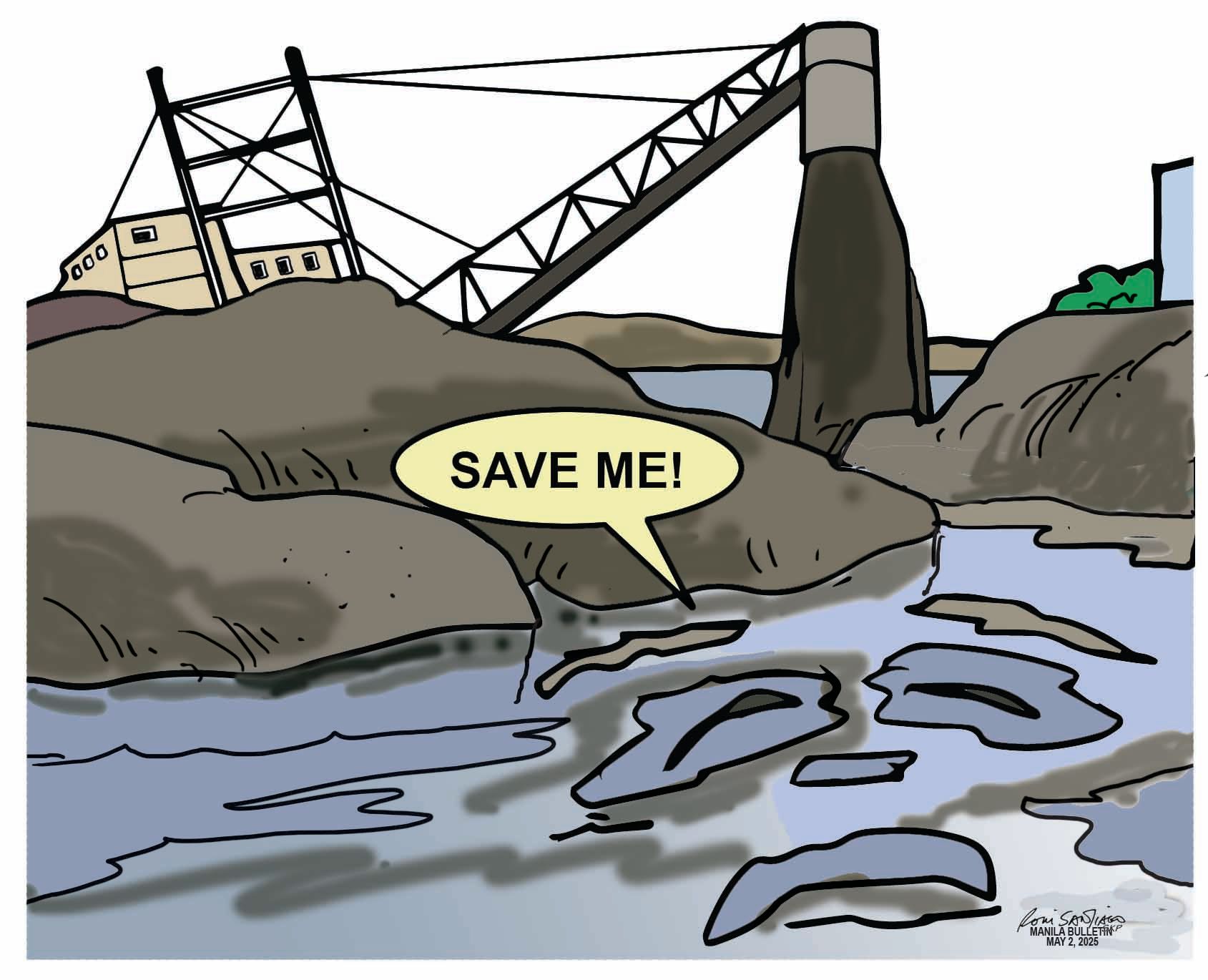
Reclamation poses a serious threat to Manila Bay.
 This grim reality emerged from Phase 1 of the Cumulative Impact Assessment (CIA) conducted by the Department of Environment and Natural Resources (DENR) on Manila Bay reclamation projects. The result of the impact assessment prompted the DENR to continue the suspension of 19 reclamation projects. Two other projects were earlier allowed to continue after they were found to have complied with the stringent requirements.
@[email protected]
.
The CIA findings are unequivocal. Reclamation projects disrupt the natural ecosystem, leading to altered water circulation and increased flooding risks. Any disruption in a natural ecosystem alters its function, including its use as natural flood drainage. This disruption is particularly concerning given that certain sections of Manila Bay are at zero elevation and are subsiding, making them highly vulnerable to extreme weather events and rising sea levels.
@[email protected]
.
These massive landfills are not only altering the world famous bay, they are destroying it. And if the government would allow these projects to continue despite the adverse assessment, we may see Metro Manila and neighboring provinces submerged in environmental devastation, public health crises, and economic collapse.
@[email protected]
.
The reclamation activities are already causing alarming changes in water quality. Some fishermen have reported disturbing discoloration of Manila Bay waters, with reports of a reddish hue indicating pollution and sediment disturbance. This degradation threatens not only marine life but also the health of residents who rely on the bay for their livelihoods and sustenance.
The impact of these reclamation projects extends beyond environmental degradation. Experts warn that these reclamation projects are exacerbating flooding in low-lying areas by obstructing natural water flow. This would lead to increased salinity and delayed rainwater runoff. This obstruction would also heighten the risk of flooding in communities already vulnerable to such disasters.
@[email protected]
.
Apart from affecting water quality and health of those who depend on this vast body of water, reclamation projects threaten to destroy critical marine habitats, including mangroves and seagrass beds, which are essential for fish breeding and coastal protection. The Bureau of Fisheries and Aquatic Resources (BFAR) has identified Manila Bay as a spawning ground for several fish species, including sardines. The loss of these habitats could lead to a collapse in fish populations, jeopardizing food security and the livelihoods for millions.
@[email protected]
.
The findings of the CIA are clear: continuing with these reclamation projects is a reckless gamble with our future. The government must heed the warnings of scientists, environmentalists, and affected communities. It is imperative to halt all reclamation activities in Manila Bay and focus on genuine rehabilitation efforts that prioritize environmental sustainability and the well-being of the people.
@[email protected]
.
This should not be dismissed as a pure environmental issue. The problem is already a matter of justice, equity, and survival. We cannot afford to sacrifice our future for short-term gains. It is time to put an end to the reclamation madness and work toward a Manila Bay that is healthy, vibrant, and sustainable for generations to come.
@[email protected]
.
After this initial assessment, Phase 2 of the Cumulative Impact Assessment is up next. It involves a more technical analysis and visual documentation of the impacts of reclamation.
But with the devastating impact of climate change already felt worldwide, we don’t have the luxury of time to wait any longer. The clock is ticking. Now is the time for the government to act to save Manila Bay and all who depend on it.
.THE EDITOR

 ADS by:
Memento Maxima Digital Marketing
@[email protected]
SPACE RESERVE FOR ADVERTISEMENT