OP ED OPINION | Lloyd C. Bautista: Emancipation from political dynasties | The Manila Bulletin
.
Opinion by:
Lloyd C. Bautista

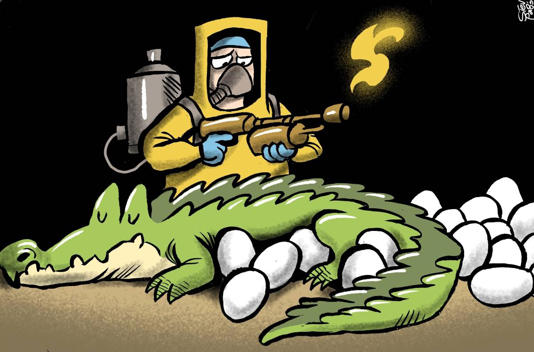
ONE of the deeply rooted truths in our political system is the dominance of political dynasties, now considered as a serious threat to national security. While a few dynasties may appear benevolent, the majority actually suppress opposition to their rule by force, violence, bribery or legal machinations. They consolidate not only political power but all economic resources in their localities, and even illegal activities. Filipino voters are helpless and forced to endure such toxic governance for decades now. Political dynasties are an enduring barrier to democratic participation and equal opportunity to public office.
In one study, it was reported that approximately 85 percent of seats in the House of Representatives are affiliated with political dynasties, while in the provinces, the figure is even higher at 87 percent. These dynasties are classified into fat and thin dynasties. A fat dynasty is when several members of the same family hold multiple positions simultaneously — mayor, congressman and governor. A thin dynasty, on the other hand, is when one position is passed along within the same family. The Philippines suffers from both, discouraging new and independent candidates from even trying to run for office due to the zero chance of winning.
The 2025 midterm election, however, brought some renewed hope for Filipino voters. Political dynasties were effectively challenged and defeated by multi-sectoral coalitions. In Cebu province, the governor Gwen Garcia lost to a neophyte aspirant who was formerly an airline purser. In Las Piñas City, veteran senator Cynthia Villar was overtaken by a former city councilor, while the Velascos’ longstanding grip on Marinduque was broken by opposition candidates.

@[email protected]
In Catanduanes, a notable upset ended the nearly two-decade rule of the Cua family. State university president Patrick Azanza edged out the Cuas for governorship, backed by a broad alliance of youth, senior citizens, teachers and local businessmen. Despite the Cuas controlling all 11 of Catanduanes’ towns and 314 out of its 315 barangays, Azanza won the day through sheer people power. Imagine an educator strategically outmaneuvering one of the country’s formidable political dynasties.
Analysts now believe that the emancipation from dynastic rule may be replicated in the 2028 national and local elections, but on a wider scale. With over 60 percent of registered voters coming from Gen Z and millennial demographics, candidates like Azanza are poised to throw their hats into the elections, confidently compete with dynasties and possibly emerge victorious in 2028.
The long-awaited demise of political dynasties stems from the public’s disenchantment with their performance and failure to deliver results. Also, social media has enabled alternative candidates to seriously challenge political dynasties with shoestring budgets. While vote buying remains rampant, its effectiveness is no longer guaranteed. Voters today still tend to vote for the candidates they prefer even if they accept the cash. Simply put, track record and platform, as well as authenticity for public service, are changing the political landscape.
The national and local campaigns are two worlds apart. Local elections tend to be more parochial and fueled by money, family networks and personal appeal. National campaigns, in contrast, are now won through competence, credibility and clear platforms. Candidates dancing on stage and cracking sexist jokes were openly rejected by voters in the 2025 midterm election.
@[email protected]
As I mentioned earlier, political dynasties are now a real national security risk. They are often compromised by foreign interests and transnational crimes. Worse, their monopoly over the local economy often impedes inclusive growth. In many areas, widespread poverty and insurgency thrive under dynastic rule. Violent clan feuds displaced people, sparked mass migration, and drove people away from the national government. For decades now, political dynasties have stagnated local development and sapped communities of their will to invest in their own future.
@[email protected]
.
But the real path to emancipation from political dynasties lies in legislation. Filipinos’ desire to end political dynasties is very strong and the signs on the wall are visible. The 2025 midterm election is a watershed that debunked the old argument that “it’s up to the voters.” In truth, political dynasties will use all tricks and legal tactics to cling to power. The 1987 Constitution mandates the passage of the law banning political dynasties. But Congress will never pass an anti-dynasty law. It’s now up to the people to push for a citizens’ initiative and hold a plebiscite simultaneously with the 2028 elections.
Irregardless of it, I believe the time is ripe for Filipinos to emancipate themselves from the clutches of political dynasties either by legislation or popular vote.
THE EDITOR
|
Numero Uno
|
 Ads by: