
ASEANEWS HEADLINE | ASEAN 2025 and beyond
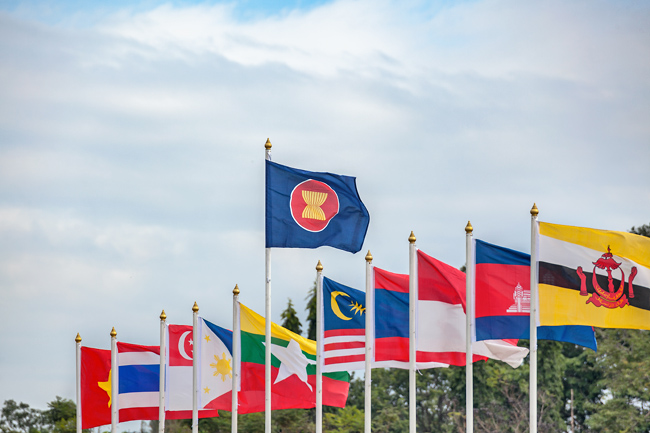
PHOTO: FREEPIK
.
.
When 10 nations across Southeast Asia came together to form the ASEAN Economic Community (AEC) in 2015, it was more than just another regional pact. It was a bold promise: to make it easier for goods, services, investments, and people to move across borders, and to build a shared future of prosperity.
Over the past decade, ASEAN has grown into a globally recognised economic bloc, one that has weathered storms like the COVID-19 pandemic and shifting geopolitical tensions.
But as the AEC Blueprint 2025 – the region’s current master plan – nears its end, the question being asked is: what comes next?
 |
A new publication by the Economic Research Institute for ASEAN and East Asia (ERIA), titled Where Next? Priorities for the ASEAN Economic Community Post-2025, sets out to answer this.
Edited by economists Aladdin D Rillo and Ben Shepherd, it brings together contributions from scholars and experts who paint a picture of the opportunities and hurdles ahead.
WHAT ASEAN HAS ACHIEVED
The past decade has shown that ASEAN can deliver. Almost 98 per cent of tariffs on goods have been removed, trade costs have fallen thanks to tools like the ASEAN Single Window (which allows businesses to exchange trade documents electronically), and the region has signed the world’s largest trade pact – the Regional Comprehensive Economic Partnership (RCEP).
Yet progress has been uneven. Some agreements are slow to take effect, while regulatory barriers continue to make it hard for businesses to operate across borders.
|
|
.
Benefits have not always been evenly shared, leaving poorer members still struggling to catch up. In other words, while ASEAN has come far, there’s more to be done. The book suggested that ASEAN’s post-2025 agenda should not simply repeat the past. Instead, it highlights three themes that will shape the region’s economic future:
Digitalisation – From online shopping to cloud services, digital trade is reshaping economies everywhere. ASEAN has already signed an E-Commerce Agreement, and experts believe that embracing digital technologies will boost trade, create new industries, and make supply chains more resilient.
Sustainability – Climate change and energy security can no longer be afterthoughts. Future strategies must include ways to lower carbon emissions, adopt renewable energy, and prepare for natural disasters that often hit the region.
Inclusiveness – Economic growth must benefit all, not just a few. That means narrowing the development gap between richer and poorer ASEAN members, and ensuring that women and young people can play a bigger role in the workforce.

|
|
.
WHAT THE FUTURE COULD LOOK LIKE
Using economic modelling, the book explored what could happen if ASEAN makes bold choices.
Digital gains: If ASEAN’s E-Commerce Agreement is fully implemented, it could lift the region’s economy by hundreds of billions of dollars by 2050. Lowering trade costs through digital tools would make it easier for businesses, especially small and medium-sized enterprises, to sell across borders.
Green transition: If ASEAN joins global efforts to reach net-zero carbon emissions by 2050, it could reshape industries and create new opportunities in clean energy. But it would also require strong cooperation in areas like carbon pricing and emissions trading.
Gender equality: If ASEAN narrows the gender gap in labour participation, millions more women could join the workforce, adding significant growth to the economy. With many countries facing ageing populations, tapping into women’s potential will be crucial.
|
|
.
Beyond these big themes, the book also revisited core economic issues. Production networks – the supply chains that connect factories across the region – need strengthening.
Trade facilitation, such as cutting paperwork and streamlining customs, remains essential.
Services, from finance to education, are growing in importance and must be more open.
Energy security is another hot topic. With demand rising, ASEAN needs to invest in renewable sources while ensuring stable power for its people. Connectivity, too, matters – not only roads and ports, but also digital networks that link communities across the region.
One of the challenges ASEAN faces is that it works by consensus. This approach has helped keep the region peaceful, but it sometimes slows down decision-making.
The book suggested that if the AEC is to thrive post-2025, it needs stronger institutions, better monitoring, and a resilience agenda that allows it to respond quickly to crises.
Monitoring is particularly important. Past plans have shown high compliance rates on paper, but the actual benefits often lag behind. New ways of measuring progress – not just whether rules are followed, but whether people and businesses feel the impact – are needed.
WHY IT MATTERS
Southeast Asia is home to more than 650 million people, with a combined economy that is set to keep growing.
By 2032, ASEAN’s economy is expected to surpass Japan’s, making it a key player on the global stage. But the region faces a choice: continue with “business as usual” or seize the chance to reimagine its future.
Where Next? makes a strong case for the latter. A bold, forward-looking agenda that embraces digitalisation, sustainability, and inclusiveness could help ASEAN not just survive but thrive in an uncertain world.
|
|
.
For ordinary citizens, this isn’t just about numbers or policies. It’s about whether future jobs will be secure, whether young people will have opportunities to grow, and whether communities will be better protected from crises. The post-2025 AEC agenda, in short, is about shaping the kind of future people in Southeast Asia want to live in.
As ASEAN leaders prepare to craft the next master plan, the message is clear: the world is changing fast, and so must ASEAN.
Greater integration will only matter if it translates into real benefits for people on the ground. That means building economies that are not only competitive, but also fair, green, and resilient.
The journey to 2025 has shown what ASEAN can achieve when it works together. The road beyond 2025 will test whether it can go further – not just keeping pace with the world, but helping to set the agenda for it. – Features Desk
|
|
.
TLDR: ASEAN’s Economic Future
- ASEAN formed the AEC in 2015 to ease trade, investment, and mobility.
2. Achievements: 98 per cent of tariffs removed, RCEP signed, trade costs lowered, though progress is uneven.
3. Post-2025 priorities: digitalisation, sustainability, inclusiveness.
4. Potential gains: digital trade boosts economy, green transition creates clean-energy jobs, gender equality grows workforce.
5. Ongoing needs: stronger supply chains, trade facilitation, energy security, connectivity, and institutions. – Features Desk
.