

ASEANEWS HEADLINE | PETALING JAYA, Malaysia: ‘Social pension coverage for elderly severely lacking’

Malaysia Elderly Care Crisis: World Bank Warns on Low Social Pensions
Malaysia retirement crisis, World Bank report, social pension coverage, elderly care in Malaysia. Dive into the urgent warnings from the World Bank about Malaysia’s fraying retirement safety net. With the population aged 65 and over set to hit 20% by 2056, discover why Malaysia has one of the lowest social pension coverages globally, at just under 10%. Compare with regional peers like Thailand and the Philippines, and learn how the current BWE and STR programs fall short in bridging the gap left by insufficient EPF contributions. Explore global evidence showing how expanding social pensions can reduce poverty, inequality, and boost well-being, with benefits spilling over to families. The World Bank recommends widening coverage for B40 elderly households, adjusting eligibility thresholds, and raising the access age to 65. This video breaks down the implications for Malaysia’s aging society and the need for immediate reforms to prevent an elderly care crisis.
.
Need for urgent reforms as problem lies in outdated eligibility rules and budget constraints rather than insufficient payouts, says academic
..
.
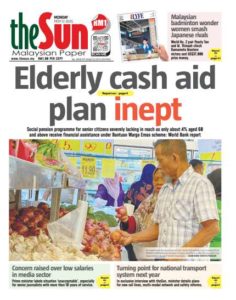
PETALING JAYA: Malaysia’s social pension programme for the elderly may not be lacking in generosity but it is severely lacking in reach.
Only about 4% of Malaysians aged 60 and above receive cash aid under the Bantuan Warga Emas scheme, the World Bank reported last month.
The RM600-a-month support places Malaysia in the very-low coverage bracket globally, far behind neighbours such as Thailand, Vietnam and even Timor-Leste where most seniors receive monthly cash support.
Universiti Putra Malaysia’s Malaysian Research Institute on Ageing (MyAgeing) senior research officer Chai Sen Tyng said the problem lies in outdated eligibility rules and budget constraints rather than insufficient payouts.
“The gap in coverage is more a function of means-testing and budget allocations,” Chai told theSun.

@[email protected]
“Over the past 10 years, the quantum of the cash aid has increased from RM200 to RM600, yet the number of recipients has stagnated at about 150,000 while the cost more than doubled.”
Chai said some seniors still receive state-level Bantuan Am, but the federal scheme has not kept pace with the growing number of older Malaysians. Income-based poverty measures have further limited reach.
“These tax incentives do nothing for families who do not earn enough to pay taxes,” he said.
“The focus should be on expanding coverage and ensuring aid is adequate and accessible.”
He added that Malaysia’s residual welfare model leaves many seniors underserved.
@[email protected]
“Flat aid amounts and means-testing mean that both the hardcore poor and marginally poor receive the same assistance.
“Once the allocated budget is used up, others are redirected to other forms of aid, but the coverage problem remains unsolved.”
He said outdated eligibility rules have also restricted access.
Until 2017, only seniors living alone qualified for the cash aid – a policy that overlooked households caring for older family members,he added.
Other barriers include limited awareness, literacy challenges and mobility issues.
“Most elderly do not know how to use ATMs or online banking. Cash transfers need responsible caregivers and must be complemented with other forms of social support,” Chai said.
He suggested that MPs and state assemblymen could help seniors access aid.
Chai stressed that reform should focus on coverage rather than simply increasing payments.
@[email protected]
“We should expand eligibility, include older persons living in institutions and improve case management. An ideal model starts with fixing work- and occupation-based pensions before considering a universal social pension.
“We can move from means-tested assistance to pension-tested social pensions, but this must be anchored in law. Otherwise, programmes like Sara, STR or other cash transfers remain vulnerable to political change.”
Currently, Malaysia spends just 0.05% of GDP on senior aid – far below Thailand’s 0.41% and Vietnam’s 0.58% – making reform urgent as the population continues to age.
With about 3.9 million people aged 60 and above, reform is seriously needed as the elderly population rises.
“If the government wants seniors to age with dignity, expanding who receives aid is more important than simply raising the monthly payout.
“We must reform how welfare is delivered and strengthen case management to ensure older Malaysians’ wellbeing.”
With the number of seniors growing each year, Chai stressed that Malaysia cannot afford to delay.
“Fixing the pensions system and establishing proper laws must come first.”

Memento Maxima Digital Marketing
@[email protected]
SPACE RESERVE FOR ADVERTISEMENT