ASEANEWS HEADLINE-ASEAN MANILA 2026 | MANILA: As ASEAN chair, Philippines aims for ‘effective’ South China Sea code of conduct
.
.
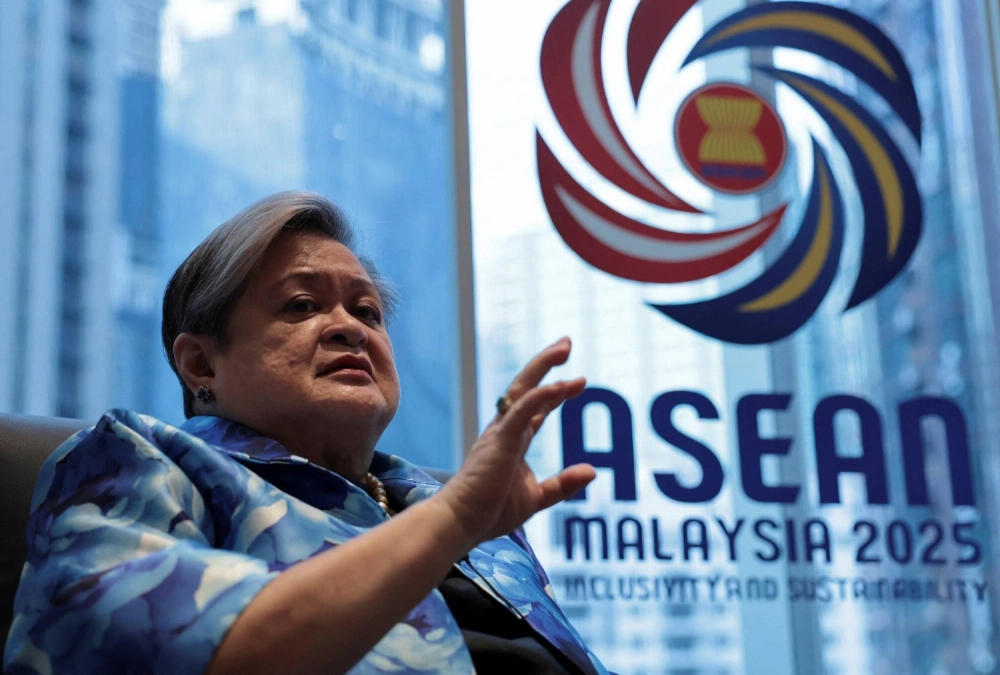
Philippine Foreign Secretary Theresa Lazaro is hopeful that negotiations between China and Southeast Asian nations on a long-awaited code of conduct (COC) for the South China Sea will be concluded this year — a move that could help reduce tensions over the disputed waterway.
“All parties, including all member states of the Association of Southeast Asian Nations (ASEAN), are politically committed to finalizing the negotiations of the COC this year as we continue to tackle the milestone issues and the remaining paragraphs of the COC,” Lazaro told The Japan Times in a recent interview.
“The progress we have made so far gives us reason to be hopeful because every round of discussions brings us closer to a document that will have real meaning on the ground,” the Philippines’ top diplomat said, as Manila sets maritime security as a key priority during its ASEAN chairmanship this year.
Lazaro stressed that Manila’s role will be to “facilitate dialogue and sustain the momentum” generated in 2023, when the foreign ministers from ASEAN and China agreed on a timeline and a set of guidelines to accelerate negotiations.
Beijing and the now-11-member bloc have been working for two decades to create a code of conduct based on the United Nations Convention on the Law of the Sea (UNCLOS) to help lower the risk of confrontation amid competing territorial and maritime claims.
Brunei, Indonesia, Malaysia, Taiwan, China, Vietnam and the Philippines all have claims to the strategic waterway.
The delays stem from fundamental disagreements over key issues, including the maritime areas the code should cover, who should be regarded as an extraregional player and whether the document would be legally binding.
 |
On top of this, ASEAN’s consensus-based decision-making model adds an additional layer of complexity at a time of diverging interests within the bloc, particularly as Beijing has traditionally preferred to deal with these issues on a bilateral basis, preventing any collective balancing.
Against this backdrop, Lazaro said the finalization of a code of conduct will ultimately depend on “continued political will, constructive engagement, and most importantly, consensus, among all parties.” She stressed that what is important for Manila is not simply concluding the talks, but ensuring that the outcome document is “effective and substantive.”
“We want a COC that genuinely promotes trust and confidence, prevents incidents and upholds international law, particularly the 1982 UNCLOS,” said Lazaro, who took on her post in a July Cabinet reshuffle.
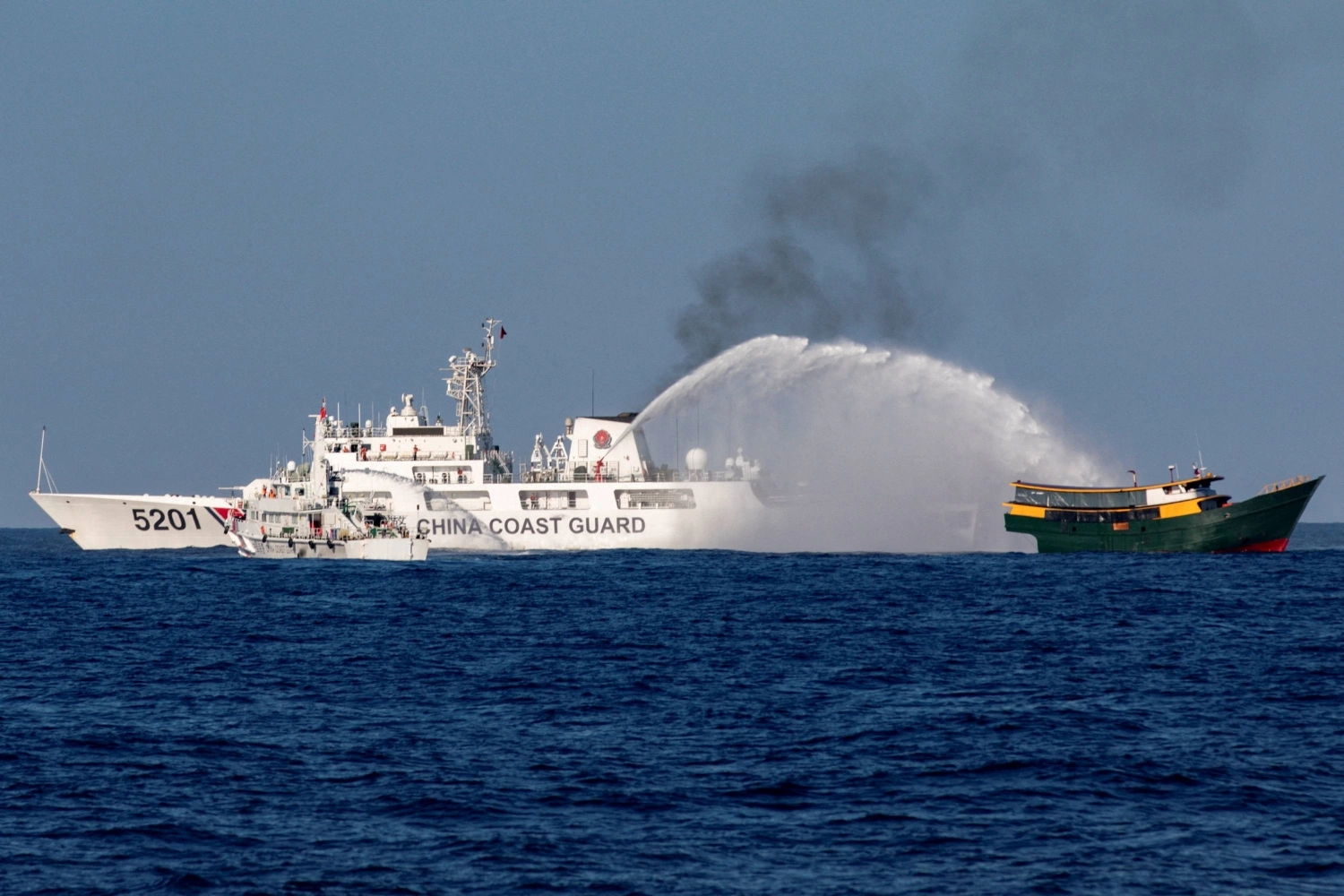
Compounding the issue has been Beijing’s creation of artificial islands and use of gray-zone tactics to assert its sovereignty claims over most of the South China Sea, actions that have intensified despite a 2016 international arbitral tribunal ruling invalidating Beijing’s claims.
Lazaro is well aware of the daunting task ahead.
“It cannot be denied that there are issues where we do not always see eye to eye. But this is precisely why ASEAN has established its own mechanisms,” the top Philippines diplomat said.
“It is to provide a platform for continued dialogue, to bridge differences and to find common ground on the issues that confront our region,” she said, emphasizing that “a substantive and effective COC will only be possible if it is agreed upon by all parties, including China.”
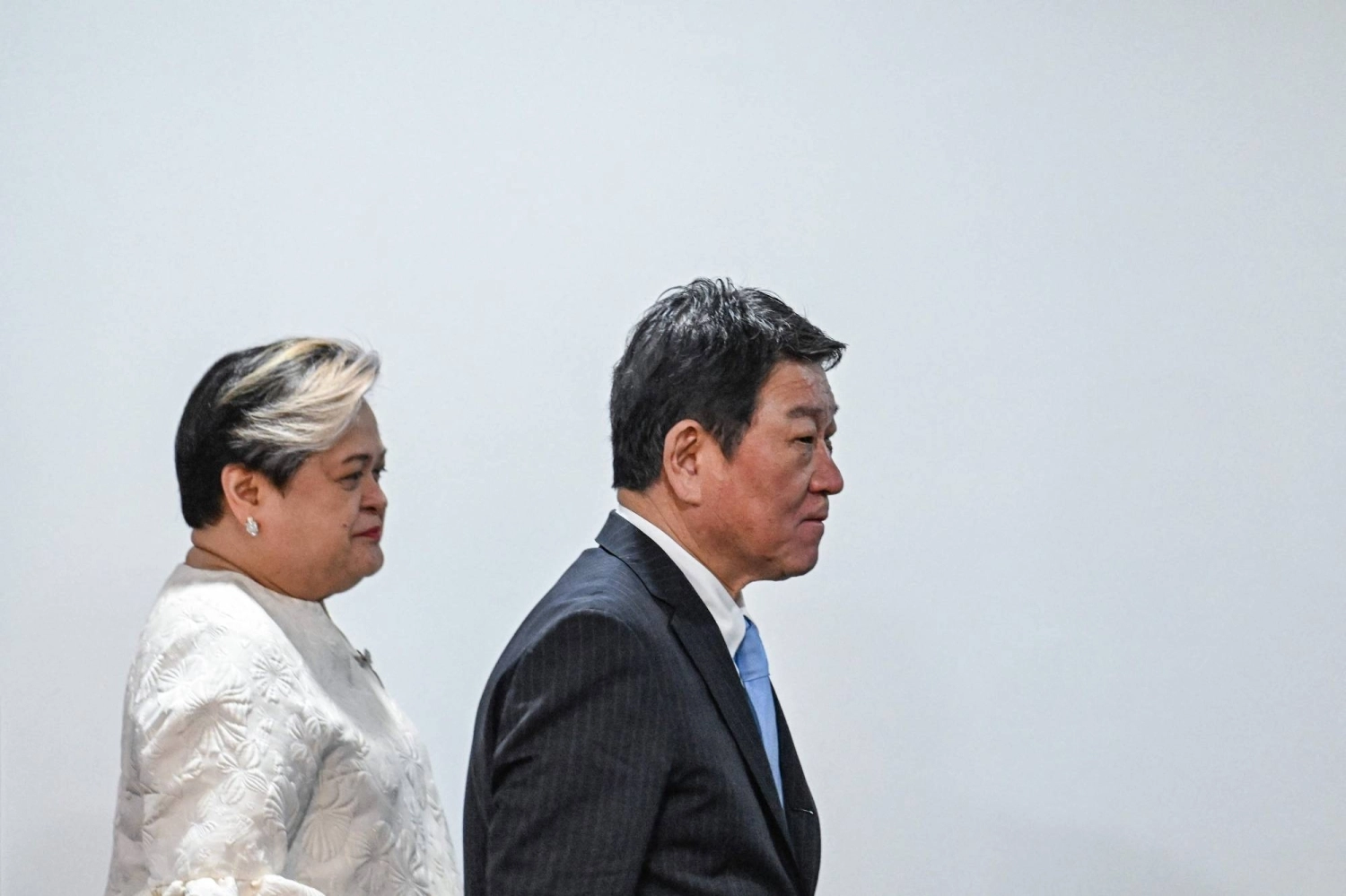
Asked about growing ties between Tokyo and Manila, Lazaro said the strategic partners are focused on deepening cooperation in the run-up to next year’s 70th anniversary of diplomatic relations.
|
|
The foreign secretary said she expects ties with Tokyo to become even closer, pointing to the growing cooperation potential in the areas of security, economic resilience, humanitarian assistance and infrastructure development.
Highlighting this trend was last week’s visit to Manila by Lazaro’s Japanese counterpart, Foreign Minister Toshimitsu Motegi. That visit saw the two sides sign a deal to allow their armed forces to share fuel, food and services — a move intended to facilitate greater bilateral and multilateral military activities following last year’s entry into force of a bilateral visiting-forces agreement.
Tokyo will also provide military aid for the third straight year, with Manila agreeing to receive funding for the construction of boathouses and slipways for rigid-hulled inflatable boats for the Philippine Navy. This comes after coastal radar systems agreed to under the first tranche of Japan’s official security assistance framework were delivered earlier this month.
But Lazaro is of the view that cooperation with Japan can also grow into new areas, particularly in emerging technologies such as artificial intelligence, cybersecurity, energy transition, climate resilience and human resource development.
“These avenues reflect our shared interest in shaping a resilient, forward-looking partnership that delivers tangible benefits to our peoples,” she said.
.
By Gabriel Dominguez
STAFF WRITER
.


,