
ASEANEWS HEADLINE- WORLD OIL CRISIS | Malaysia: Hormuz passage secures supply, not market shift
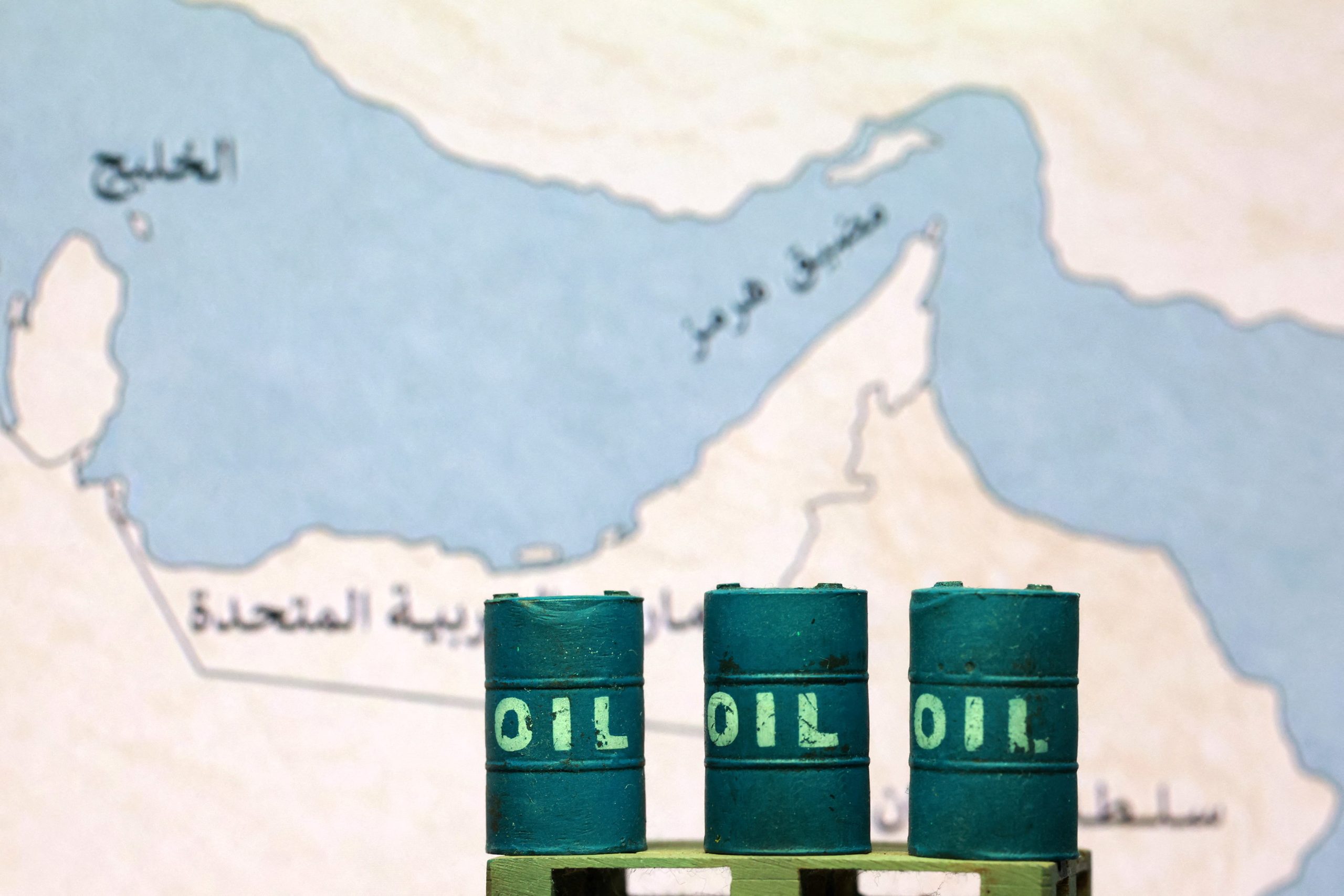
A map showing the Strait of Hormuz, also known as Madiq Hurmuz, and 3D printed oil barrels are seen in this illustration taken March 26, 2026. REUTERS/Dado Ruvic/Illustration
Iran allows friendly nations’ ships through Strait of Hormuz; India, China, Iraq on list
.
. This diplomatic success aims to prevent domestic supply shortages rather than signaling a shift in market alliances, with the government focusing on mitigating the impact of rising global oil prices, which have seen domestic fuel subsidy costs surge.
 Al Jazeera +3
Economists say Malaysia’s secured shipping route through the Strait of Hormuz offers stability but won’t reshape global oil markets or dramatically lower inflation
PETALING JAYA: Malaysia’s securing of safe passage for its vessels through the Strait of Hormuz should be viewed as a stabilising measure for the economy rather than a game-changing shift in global oil dynamics, said economists.
This follows Prime Minister Datuk Seri Anwar Ibrahim’s announcement on Thursday thanking Iranian President Masoud Pezeshkian for facilitating early transit arrangements and ongoing efforts to secure the release of Malaysian oil tankers and crew members.
Taylor’s University research cluster lead for innovative management practices Prof Dr Poon Wai Ching said the development, while positive, should not be overstated.
“Its broader impact, particularly on global oil markets, is likely to remain limited. However, Malaysia’s securing of safe passage for its vessels through the Strait of Hormuz still offers reassurance for the country’s energy security and trade continuity.”
She said in practical terms, this means Malaysia is less likely to face fuel supply disruptions that could affect other countries in the region if tensions escalate further.
|
|

.
.
However, she said the arrangement is unlikely to significantly influence oil prices or alter supply dynamics in a meaningful way.
Poon added that the scale of Malaysia’s oil trade and shipping activity, while important at a regional level, is not large enough to influence broader market sentiment or offset volatility driven by major producers and geopolitical developments in the Middle East.
“Where the announcement may carry slightly more weight is at the regional level. By ensuring safe transit, Malaysia could position itself as a relatively reliable conduit or facilitator for oil trade within Asean, potentially supporting neighbouring countries facing logistical or security constraints.
“Even so, this role would be incremental rather than transformative,” she said, adding that the move enhances Malaysia’s resilience and may offer modest regional benefits but does not materially reshape global oil flows or pricing.
|
|
.
.
 Meanwhile, Universiti Teknologi Mara economist Dr Mohamad Idham Md Razak said securing safe passage helps Malaysia avoid major disruptions in oil and trade shipments.
He said this would ensure smoother supply chains and prevent sudden spikes in transport and import costs.
“However, the development is unlikely to significantly lower inflation in the next three to six months, though it plays an important role in containing further increases, particularly those driven by energy-related cost pressures.
“There may be a modest stabilising effect on the ringgit, as reduced uncertainty over import flows improves market sentiment, although global interest rates and investor behaviour remain key factors.”
Mohamad Idham added that the government may gain some breathing space in managing fuel subsidies, as smoother supply reduces the risk of sudden cost surges, although fiscal pressure remains if global oil prices stay elevated.
|
|
.
.
.
He emphasised that if oil prices remain high globally, the relief for Malaysia would be only partial as pricing is determined by international markets rather than supply access alone.
“For consumers, the benefits are likely to be gradual rather than immediate, as businesses tend to adjust prices slowly due to existing cost structures.”
He added that the transport and logistics sectors are likely to benefit first from more stable fuel supply and costs, with downstream effects gradually seen in food distribution and some retail segments.
Mohamad Idham cautioned that the advantage is not fully secure in the long term, as it depends on the evolving geopolitical situation, and any escalation could quickly reverse the current stability.
“Overall, this should be seen as a short-term stabiliser that reduces risk and uncertainty, rather than a structural shift in Malaysia’s economic outlook.”
.
 Ads by:
Memento Maxima Digital Marketing
@[email protected]
SPACE RESERVE FOR ADVERTISEMENT