
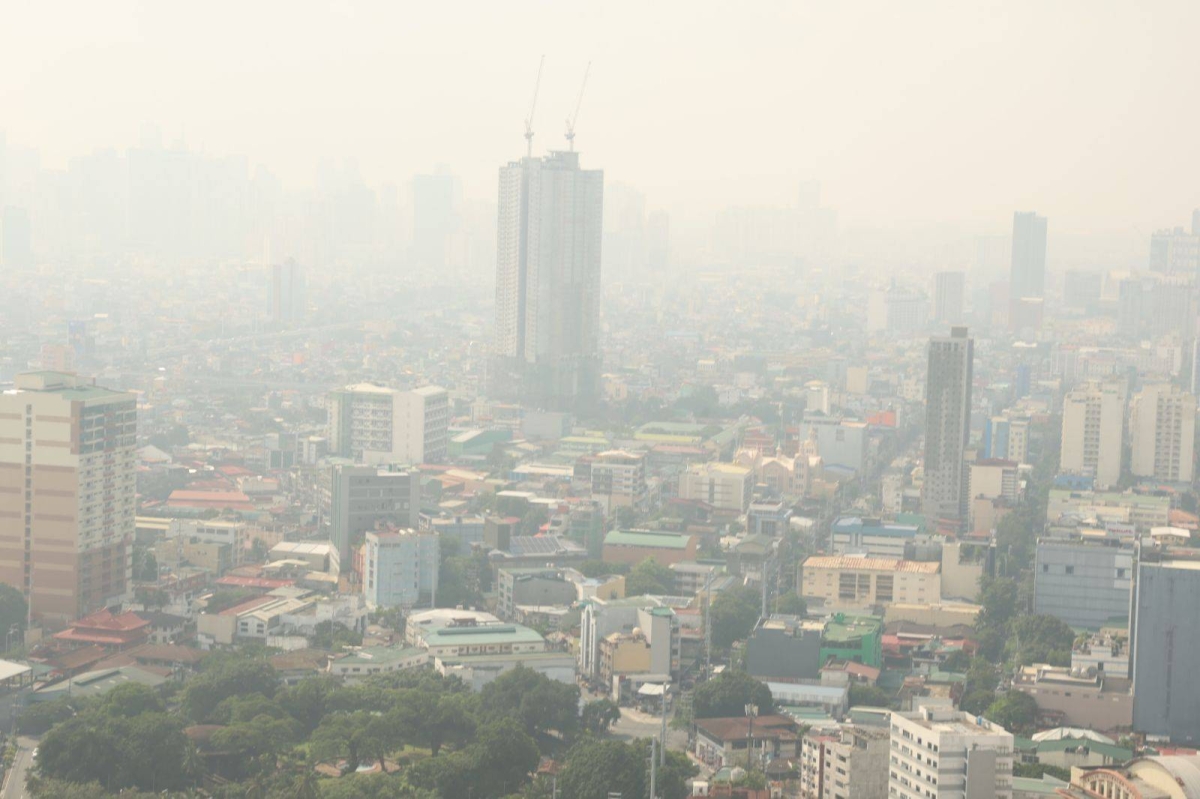
ASEANEWS HEADLINE-ENVIRONMENT HAZE/SMOG | MANILA: INDONESIAN SMOG-Haze blankets Metro Mnila
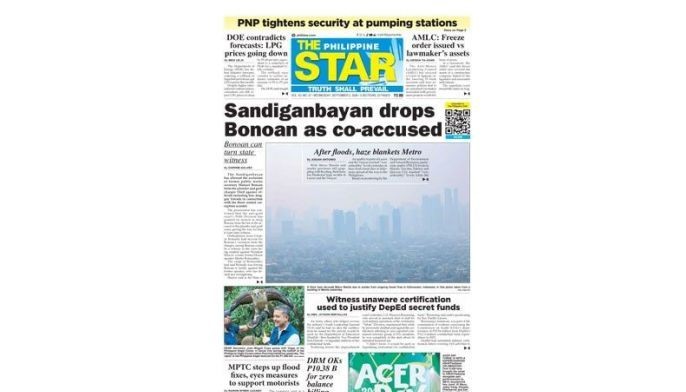
A dense layer of haze blankets the Metro Manila skyline, as smoke from forest fires in Indonesia reaches parts of the Philippines on Sept. 1, 2026. PHOTOS BY RENE H. DILAN AND JOHN ORVEN VERDOTE
.
.
WATCH VIDEO: https://www.youtube.com/watch?v=ocJubh5D70g
Indonesia Wildfires Explained: How Palm Oil Industry Is Fueling Crisis | Connecting The Dots
Massive wildfires are spreading across Borneo and Sumatra, blanketing cities in toxic haze, closing schools, disrupting flights, and endangering millions of people across Indonesia and neighbouring countries like Malaysia and Singapore. While El Niño has worsened the dry season, the crisis is rooted in decades of deforestation and the draining of peatlands to make way for palm oil plantations, where drained peat becomes highly flammable and can burn underground for weeks even after surface flames are extinguished. Indonesian authorities have arrested 72 people suspected of deliberately starting fires and are investigating 19 companies whose concession areas burned over 11,000 hectares, raising questions about corporate responsibility for preventing fires on land they control. The human toll is severe, with residents reporting widespread respiratory illness, and the ecological damage extends to wildlife, with an orangutan named Sampurna rescued from a burning plantation after suffering smoke-induced oxygen deprivation. The analysis underscores that Indonesia’s fires are not a purely natural disaster but a man-made vulnerability: until drained peatlands are restored and land-use practices change, the country will keep fighting the same fire year after year.
…
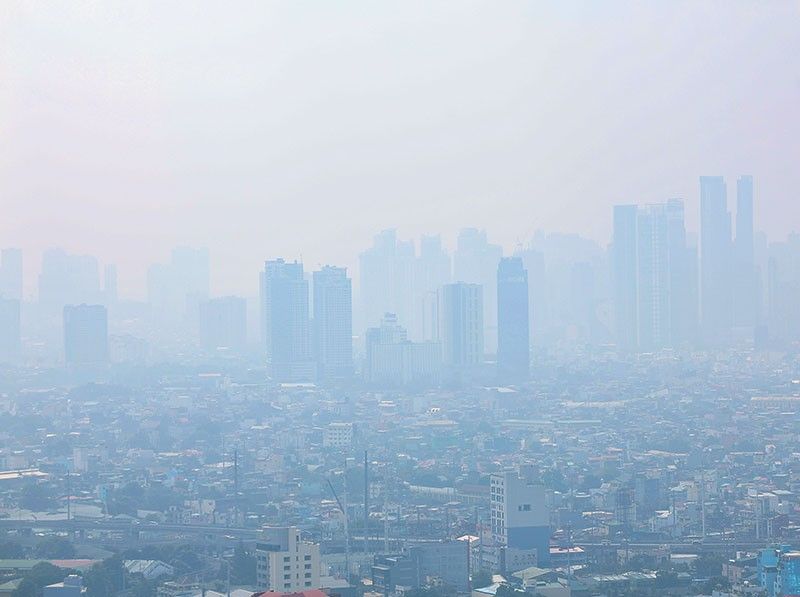
A thick haze shrouds Metro Manila due to smoke from ongoing forest fires in Kalimantan, Indonesia, in this photo taken from a building in Manila on September 1, 2026./ Noel Pabalate
.
MANILA, Philippines — With Metro Manila and nearby provinces still grappling with flooding, thick haze has blanketed large swaths of Luzon and the Visayas.
Air quality in parts of Luzon and the Visayas reached “very unhealthy” levels yesterday as haze from forest fires in Indonesia spread all the way to the Philippines.
Based on monitoring by the Department of Environment and Natural Resources, particulate matter (PM 2.5) levels in Makati, Navotas, Pateros and Quezon City reached “very unhealthy” levels while the rest of Metro Manila recorded “acutely unhealthy” levels.
Central Luzon, Southern Luzon and the Bicol Region were also affected.
University of the Philippines-Diliman Institute of Environmental Science and Meteorology professor Gerry Bagtasa attributed the haze to forest fires in Indonesia, with smoke being carried toward the Philippines by strong winds.
…
|
Memento Maxima Digital Marketing
@[email protected] SPACE RESERVE FOR ADVERTISEMENT
|
 Ads by:
..
“What is surprising is that the wind is strong. Typically, local emissions, when the wind is strong, they get carried away by wind. So, we are not experiencing haze episodes. So, obviously, the haze episode is not about local emissions,” Bagtasa told The STAR.
“When we look at the satellite, you can immediately see the haze because the sea is a bit black,” he added.
…
ASIA & PACIFIC
Japan answers fire aid call as haze smothers region
…
Japan is set to deploy three helicopters to help Indonesia battle forest and peatland fires in Kalimantan at Jakarta’s request, as smoke from the blazes spread across Southeast Asia and pressure mounts on the government to accept more international assistance.
.
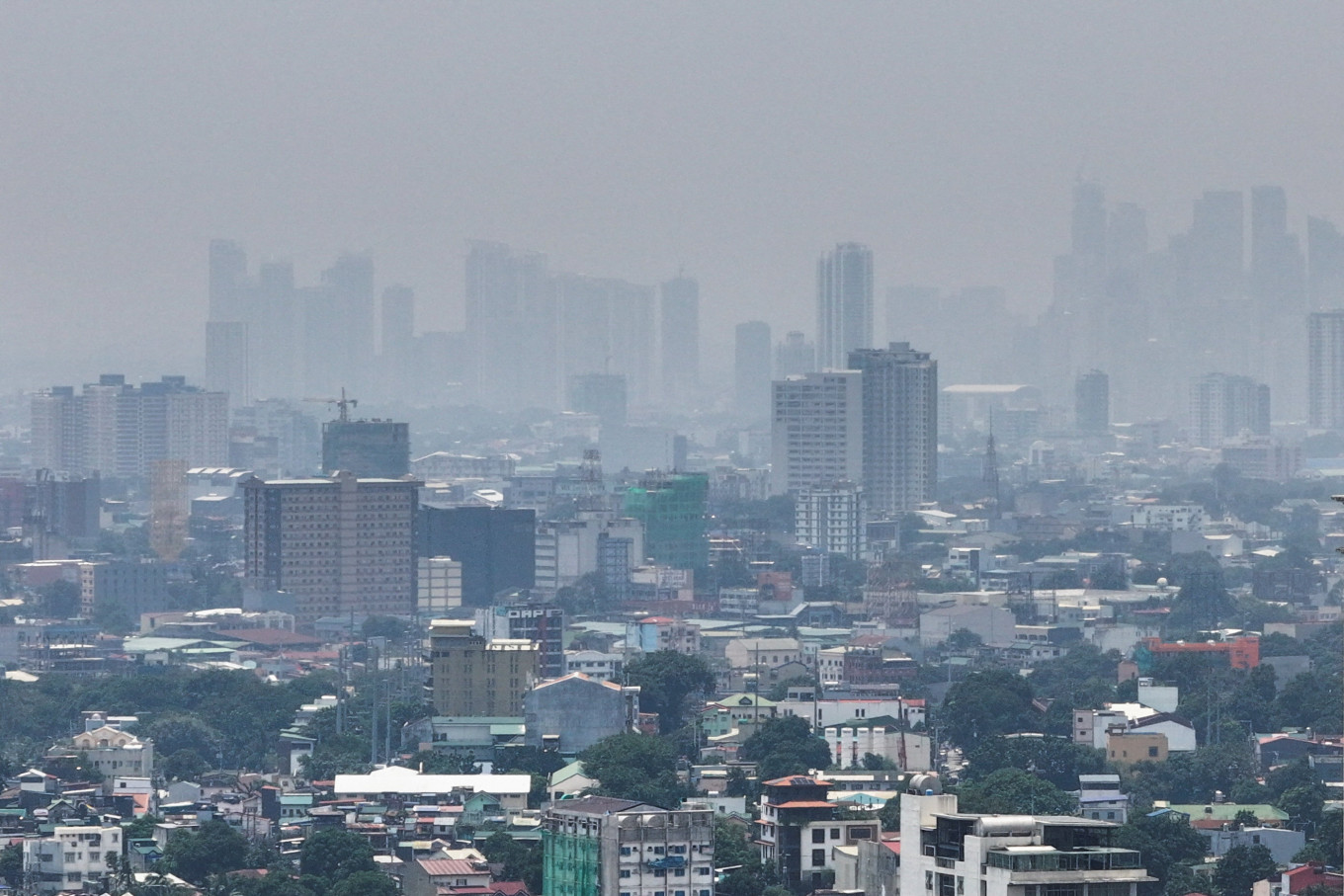
A thick haze shrouds Metro Manila due to smoke from ongoing fires in Kalimantan on Sept. 1, 2026, seen from Quezon City, Philippines. (Reuters/Adrian Portugal)
…
The haze also reached Cebu, where the University of the Philippines-Cebu recorded an Air Quality Index of 152 as of Tuesday, indicating “unhealthy” air quality.
|
Ads by: Memento Maxima Digital Marketing
@[email protected] SPACE RESERVE FOR ADVERTISEMENT
|
Bagtasa said the haze may persist until Friday or Saturday as tropical cyclones continue to pull the southwest monsoon, along with smoke from the fires in Indonesia, toward the Philippines.
The haze became more evident after rains stopped, Bagtasa added, as the rain had previously helped clear particulates from the air.
..
 Due to the unhealthy air quality, several schools adopted alternative learning arrangements.
The Quezon City government suspended face-to-face classes in public schools, covering child development centers, kindergarten, Grades 1 to 12 and the Alternative Learning System.
Ateneo de Manila University and New Era University also suspended in-person classes and shifted to remote learning following the Quezon City government advisory.
Local government officials and the Department of Health advised the public to wear masks, preferably N95 masks, and limit outdoor activities, particularly strenuous exercise.
People with respiratory or cardiovascular conditions, as well as children and the elderly, were advised to take extra precautions and stay indoors as much as possible.
The DOH also advised motorists to use headlights or fog lights, particularly at night, and urged residents to keep doors and windows closed to limit exposure to the haze. — Rhodina Villanueva, Janvic Mateo, Mark Ernest Villeza, Bella Cariaso
|
|