COMICS: Mani D’ Nut | WANTED Criminals are watching us? Why?
PHILIPPINE COMICS The Philippine Star BEERKADA / CALVIN & HOBBES . February 7, 2026 … Philippine Daily Inquirer Crazy Jhenny
Read more
Asian Daily News and Opinion Editorial

PHILIPPINE COMICS The Philippine Star BEERKADA / CALVIN & HOBBES . February 7, 2026 … Philippine Daily Inquirer Crazy Jhenny
Read more
Manila Bulletin Editorial Cartoon– Matters of the heart February 8, 2026 https://mb.com.ph/2026/02/08/matters-of-the-heart . . ADS by: Memento Maxima Digital Marketing
Read more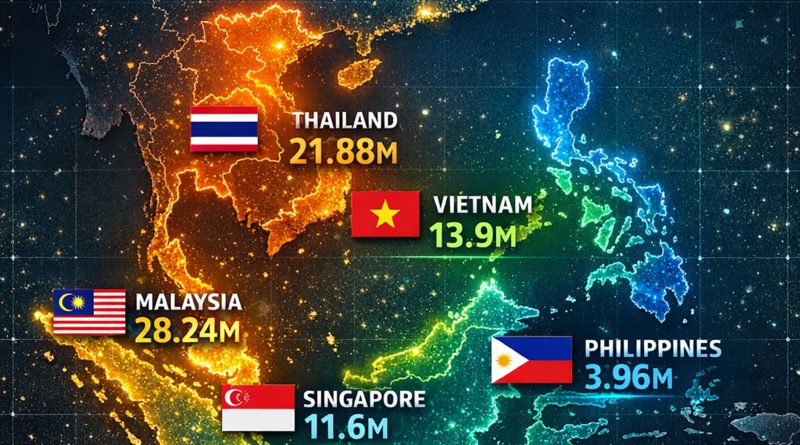
ASEAN Tourism Ministers Meeting 2026 . HEARD IT THROUGH THE GRIPE-VINE By Philip Cu Unjieng Last week, I had the privilege
Read more
PHILIPPINE COMICS The Philippine Star BEERKADA / CALVIN & HOBBES . February 7, 2026 … Philippine Daily Inquirer Crazy Jhenny
Read more
Manila Bulletin Editorial Cartoon–National Arts Month: The enduring power of Filipino creativity February 7, 2026 https://mb.com.ph/2026/02/07/national-arts-month-the-enduring-power-of-filipino-creativity . . ADS by:
Read more
COMICS: Mani D’ Nut | Mga Pinoy, Hoy Gising.. PHILIPPINE COMICS The Philippine Star BEERKADA / CALVIN & HOBBES .
Read more
Manila Bulletin Editorial Cartoon– Freedom of movement should not be a taxable right February 6, 2026 https://mb.com.ph/2026/02/06/freedom-of-movement-should-not-be-a-taxable-right . . ADS
Read more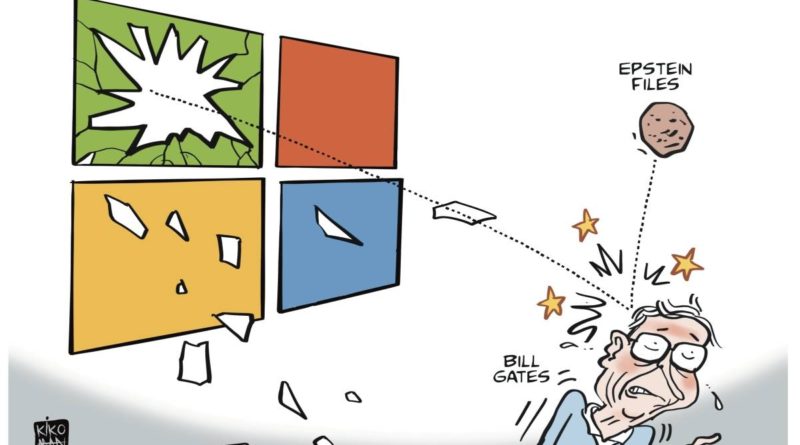
THE MANILA TIMES Editorial Cartoon– SERIOUS HIT February 6, 2026 https://www.manilatimes.net/2026/02/06/opinion/editorial-cartoon/serious-hit/2272707 . . ADS by: Memento Maxima Digital Marketing @[email protected]
Read more
Indonesia is not worried and is focused on concluding negotiations with the US,” Coordinating Economy Ministry spokesman Haryo Limanseto, told
Read more
Dr Atsaphangthong Siphandone (fifth left), Mr Péter Szijjártó (fifth right) and other officials cut a ribbon to hand over the
Read more