ASEANEWS HEADLINE-DEMOCRACY | LOI TAI LENG, Myanmar: ‘World is ignoring Myanmar junta’s deadly air strikes’
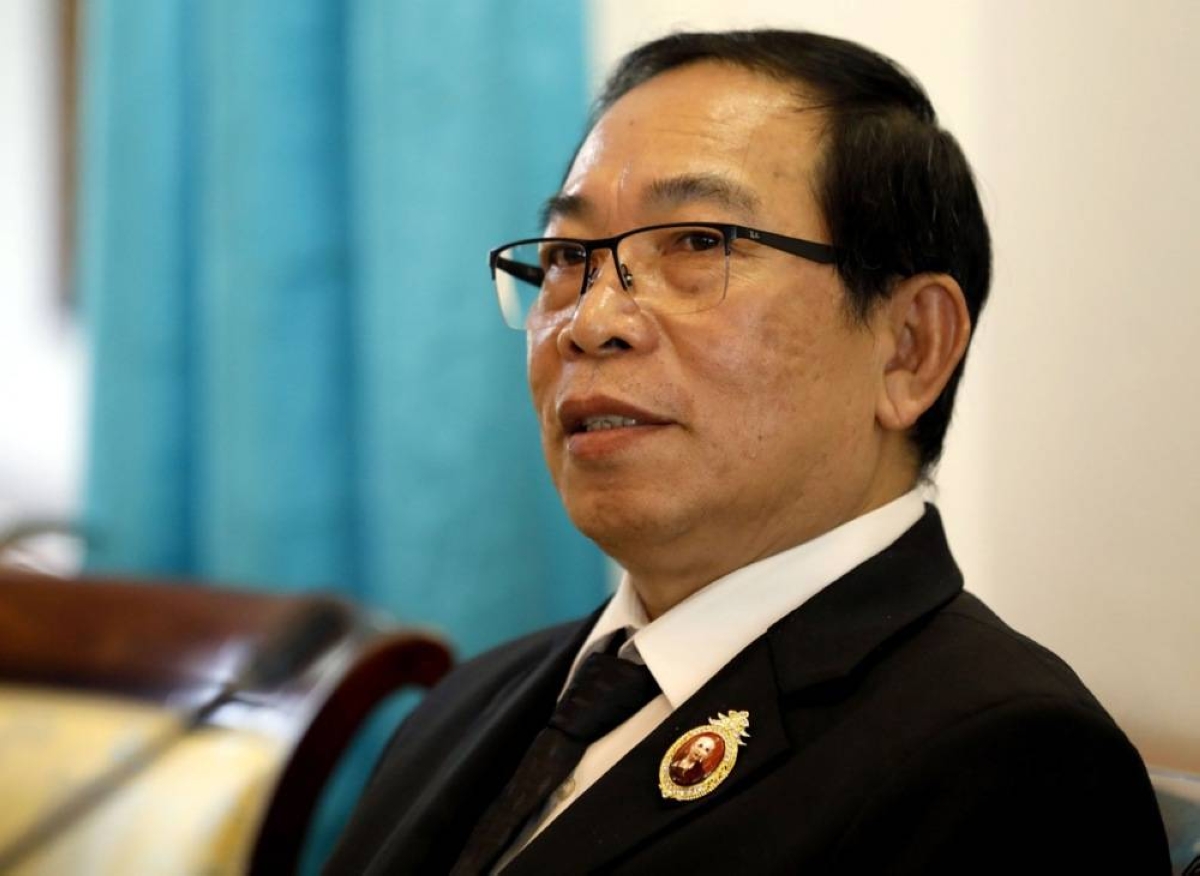
‘DON’T IGNORE US’ Gen. Yawd Serk, chairman of the Restoration Council of Shan State, speaks during a press conference in the city of Yangon, central Myanmar, on Sept. 15, 2017. EPA FILE PHOTO
..

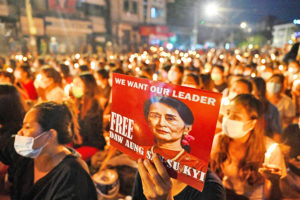
FREE ASEAN
FREE MYANMAR/CAMBODIA/THAILAND /LAOS
FREE Aung San Suu Kyi
LOI TAI LENG, Myanmar — The head of one of Myanmar’s influential ethnic armies accused world leaders of ignoring the military government’s surge in deadly air strikes on civilians, adding that only China was intervening in the conflict.
Reuters was the only international outlet present for the leader’s first meeting with the media in years, just days after an election held by the Southeast Asian nation’s junta that cemented the military’s grip on power.
“The civilians are suffering, and I want the international community not to ignore it,” said Gen. Yawd Serk, who leads the Restoration Council of Shan State (RCSS), at his mountaintop base.
 |
The world has failed to stop the turmoil as the military steps up bombing campaigns across the country, he added, citing air strikes that have hit more than 1,000 civilian locations in 15 months, according to data from the Myanmar Peace Monitor.
“Nowadays, we can’t even think who we can rely on,” said Yawd Serk, whose group controls strategic territory between China and Thailand, and is headquartered at Loi Tai Leng, an isolated town perched between forest-clad hills on the Thai border.
Myanmar has been engulfed in nationwide conflict since a military coup in February 2021 toppled the elected government of Nobel peace laureate Aung San Suu Kyi, the country’s first democratic administration in half a century.
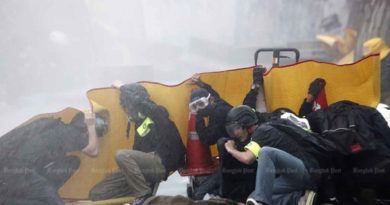
Since late 2024, air attacks have killed at least 1,728 civilians, slowing the advance of pro‑democracy forces that lack an air force. The junta says it is targeting terrorists.
|
|
.
Speaking after a military parade for Shan National Day, Yawd Serk called for trust-building among Myanmar’s array of armed factions, adding that political dialogue with the military was still needed to end the war.
A junta spokesman did not immediately answer telephone calls to seek comment.
Widely criticized polls
A military-backed party claimed victory in January after elections in limited areas, a vote the United Nations and rights groups have criticized as designed to entrench military power, with Senior Gen. Min Aung Hlaing expected to be president.
Addressing thousands gathered at his border headquarters for a parade by about 1,000 soldiers armed with rifles and rocket-propelled grenade launchers, Yawd Serk, long seen as a shrewd player who maintains a ceasefire with the junta, struck a sharp tone.
|
|
.
He praised Suu Kyi’s ousted administration and criticized Min Aung Hlaing, blaming Myanmar’s turmoil on a “leadership driven by excessive ego, pride and greed — placing the will of one individual above the desires of the public.”
In a statement, Min Aung Hlaing urged ethnic and “terrorist” groups to abandon armed struggle and join peace talks.
Yawd Serk dismissed the request as an old message “no one has accepted,” but said his army would judge the new government by its actions, saying he preferred a political solution to renewed fighting.
Chinese intervention
A key hub for both legal and illegal business in Asia’s Golden Triangle, Myanmar’s Shan state is home to armed groups with competing interests and shifting alliances, where the coup reshaped the balance of power as non‑Shan factions seized territory.
China acted as a power broker, backing some groups, before pressing them to halt offensives to stabilize the junta, which Beijing views as a guarantor of security for Belt and Road infrastructure projects vital to its interests.
|
|
Rival forces pushed the RCSS out of areas near the Chinese frontier.
The approach has led to a “fractured landscape” that risks deepening grievances and destabilizing a state key to Myanmar’s future, the International Crisis Group said in November.
“There is one country which intervenes in Myanmar, it is China and only China,” Yawd Serk told Reuters, declining to elaborate.
China has “long played a constructive role in the domestic peace and reconciliation process, earning recognition from all sectors of the Myanmar society and the international community” its foreign ministry said in a statement.
|
|
It backed parties strengthening dialogue and reconciliation, it added.
At Saturday’s event, attended by representatives of groups that include longtime RCSS rivals, Yawd Serk said he aimed to build trust, resolve disputes through talks and work to set up a federal army — a key demand of forces opposing the military.
A diverse array of Shan groups had met and agreed on principles for a future federal state, he added.
.