ASEANEWS HEADLINE–DU30 ICC EJK TRIAL | Government urges SC: Junk Bato plea vs ICC arrest
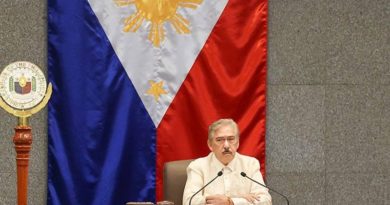
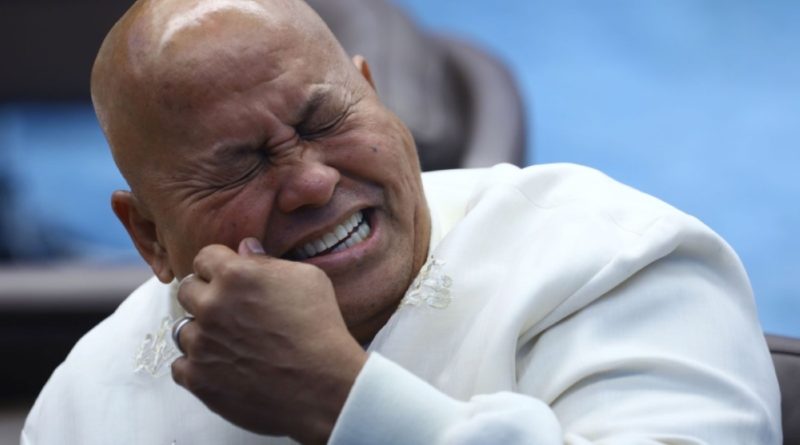
Sen. Bato Dela Rosa appeared for the second time in the Senate after months of non-attendance since November due to a warrant of the International Criminal Court./ Ian Laqui.
.
WATCH VIDEO: https://www.youtube.com/watch?v=uqgOoT2bcJk
SolGen ipinababasura sa SC ang hiling ni Sen. Dela Rosa na TRO vs. ICC arrest warrant | TV Patrol
.
Ipinababasura ng Solicitor General sa Korte Suprema ang hiling ni Senador Bato Dela Rosa na maglabas ng temporary restraining order sa pagsisilbi ng warrant of arrest ng International Criminal Court laban sa kanya. Ayon sa SolGen, dapat arestuhin si Dela Rosa na umaktong pugante. Hindi na rin umano kailangan ng warrant of arrest mula sa isang korte sa Pilipinas para maisilbi ang warrant mula sa ICC. Nagpapatrol, Jervis Manahan. TV Patrol, Linggo, 17 Mayo 2026
.

MANILA, Philippines — The Office of the Solicitor General has urged the Supreme Court (SC) to reject Sen. Ronald “Bato” dela Rosa’s bid to block his arrest following an International Criminal Court (ICC) warrant, with the OSG referring to him as a “fugitive from justice.”
In its strongly worded 83-page comment filed on May 16 and uploaded on the SC website yesterday, the OSG asked the high tribunal to deny Dela Rosa’s “urgent manifestation with omnibus motion” and “extremely urgent supplemental manifestation with motion… for utter lack of merit.”
Dela Rosa’s camp, through the law firm of Israelito Torreon, filed his pleadings on May 11, shortly after his tension-filled return to the Senate and two days before gunfire erupted inside the building.
…
FULL TEXT: SolGen’s comment on Bato dela Rosa bid vs ICC warrant
READ FULL TEXT: ttps://globalnation.inquirer.net/323369/full-text-solgens-comment-on-bato-dela-rosa-bid-vs-icc-warrant

ICC, SEN. BATO DELA ROSA composite image from ICC screengrab and INQUIRER FILES
…..
The OSG argued that the Philippine government could enforce the ICC arrest warrant against Dela Rosa in compliance with Republic Act (RA) 9851 or the Philippine Act on Crimes Against International Humanitarian Law, Genocide and Other Crimes Against Humanity.
|
|

.
.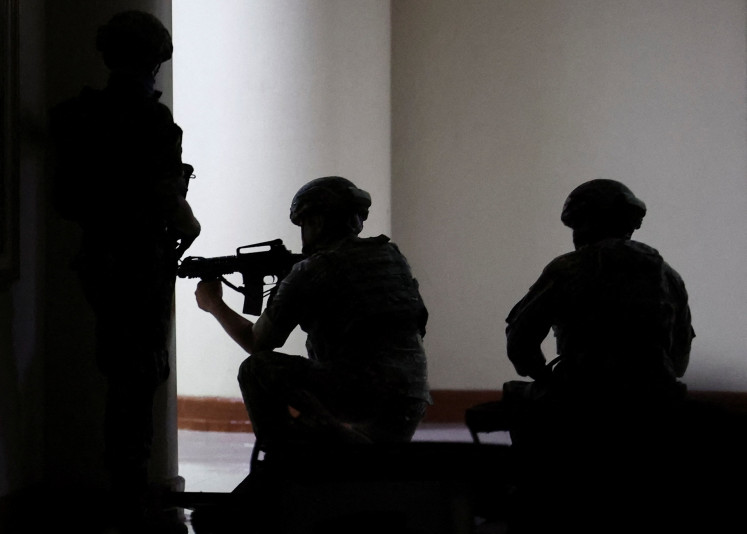
Military personnel in camouflage fatigues enter the Senate building in Pasay City, Metro Manila, the Philippines, on May 13, 2026, where Philippine Senator Ronald “Bato“ dela Rosa, the chief enforcer of former president Rodrigo Duterte’s drug war, at the Senate, is under protective custody amid an International Criminal Court warrant, as more than a dozen gunshots were heard at the Philippine Senate on Wednesday, and people were told to run for cover, according to a Reuters witness. (Reuters/Eloisa Lopez)
…
It invoked Section 17 of RA 9851, which was enacted in 2009 or a decade before the Philippines broke away from the ICC in 2019, that “authorizes the relevant Philippine authorities to surrender or extradite, as the case may be, a suspected or accused person when an international court or tribunal is already conducting the investigation or prosecution of a crime punishable under the said law.”
The OSG through Solicitor General Darlene Marie Berberabe, the assistant solicitors general, senior state solicitors and assistant solicitors argued the ICC warrant against Dela Rosa “does not require validation by a domestic court to be enforceable.”
It also pointed out the ICC warrant remains valid even if the country withdrew from the Rome Statute that created the foreign tribunal, citing RA 9851 and the provision in the 1987 Constitution declaring that the country “adopts the generally accepted principles of international law as part of the law of the land,” among others.
.

 ….
….
.
The law also authorizes the executive branch to enforce the ICC warrant. The OSG explained that “Section 17 of Republic Act No. 9851 recognizes the principle of universal jurisdiction exercised by states and international tribunals over core international crimes, which are regarded as violations of customary international law. Consistent with this principle, the provision grants the Executive the discretion either to prosecute the offense before Philippine courts or to surrender the accused to the appropriate foreign state or international tribunal for prosecution.”
“In the exercise of the President’s foreign affairs power, he may, if he so chooses, exercise the option provided to him under Section 17 of Republic Act No. 9851 to surrender a person accused of a core international crime punishable under Republic Act No. 9851 to the appropriate international court. Notably, Section 17… does not require that the Philippines be a signatory to a treaty creating an international court as a precedent to surrendering the person to said court. Moreover, the Rome Statute recognizes that states may voluntarily cooperate with the ICC even without being a signatory to it,” it added.

.
Meanwhile, the OSG wanted the SC to junk Dela Rosa’s argument that rules on extradition, including the judicial determination of probable cause in issuing arrest warrants from foreign tribunals like the ICC, would apply in his case.?
It alleged such argument would “operate as a delaying tactic that would afford him time and space to wield his stature, network and institutional influence against the execution of an international criminal process.”
“Surrender to the ICC and extradition to a foreign State are not interchangeable. They are separate legal processes under separate legal regimes… Worse, it obstructs the distinct surrender mechanism contemplated by Republic Act No. 9851 and the Rome Statute for persons sought by an international criminal tribunal,” the OSG said.
The OSG also debunked Dela Rosa’s request for a temporary restraining order against both the ICC warrant and the recalled subpoena from the police Criminal Investigation and Detection Group supposedly aimed at looking into his role in the extrajudicial killings during the war on drugs, maintaining he “does not come with clean hands.”
By calling him a “fugitive,” the OSG explained Dela Rosa’s actions during his stay in the Senate for less than a week “demonstrate intent to evade the law (and) places him within the definition of a fugitive from justice,” namely: “(his) public pronouncements resisting submission to authorities; (b) his continued refusal to surrender despite knowledge of the existence of the Warrant against him; (c) his recourse to judicial remedies to prevent enforcement of the Warrant while remaining beyond reach of arrest; (d) his suspicious exit from the Senate premises; (e) the refusal of his counsel to disclose his whereabouts; and (f) the admission by his own spouse that he ‘escaped.’”
|
|
.
Philippine Senate President Alan Peter Cayetano gestures during a press conference at the Philippine Senate in Pasay City, Metro Manila, the Philippines, on May 14, 2026, concerning Senator Ronald “Bato“ dela Rosa, a former national police chief and top enforcer of ex-President Rodrigo Duterte’s bloody “war on drugs“, who is wanted by the International Criminal Court (ICC) and who has reportedly fled, a day after gunfire rang out at the Senate, where dela Rosa had taken refuge, fearing arrest. (Reuters/Noel Celis)
…
According to the OSG, Dela Rosa’s reappearance and disappearance from the Senate last week was “a case study in how the powerful corrodes the law.”
“A sitting Senator, sworn to uphold the law, who insists that he can determine when a warrant should or should not be enforced. He failed to discharge his duties as senator, suddenly appeared to vote to replace the Senate President, at a time when the Impeachment Complaint from the House of Representatives is about to be transmitted. After seeking refuge from the august halls of Senate, he ‘escaped’ and continues to hide,” the agency said.
Dela Rosa’s current whereabouts were unknown after he discreetly left the Senate building on Thursday.
The Department of Justice said Friday the ICC warrant would only be served once the SC resolves Dela Rosa’s petition – unless he tried to flee abroad in which case he would be detained. — AFP