OPINION COLUMN-2026 FIFA WORLD CUP | The World Cup is an exception. Fun is more fragmented than ever
2026 FIFA WORLD CUP
Shakira and Burna Boy perform Dai Dai at FIFA World Cup 2026 Opening Match!

Taylor Swift is among the American elite of megastars with a global fanbase, but entertainment below the top rank is increasingly fragmented into local niches. / PHOTO : REUTERS
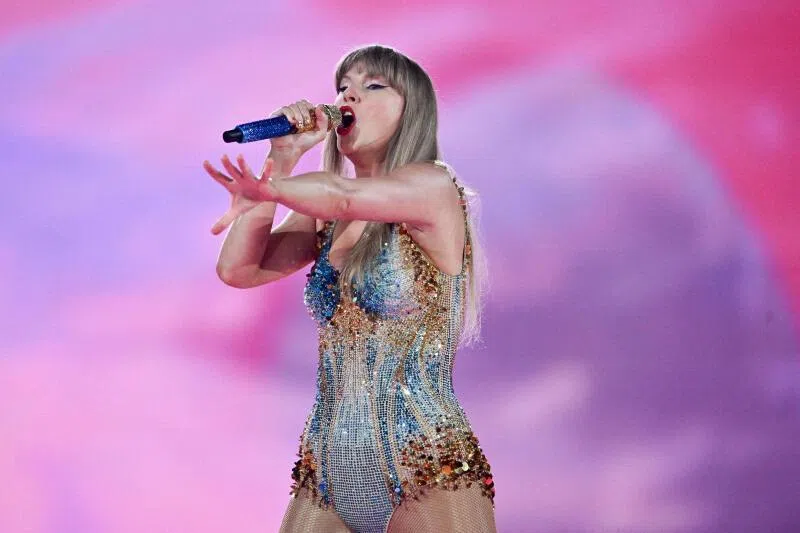
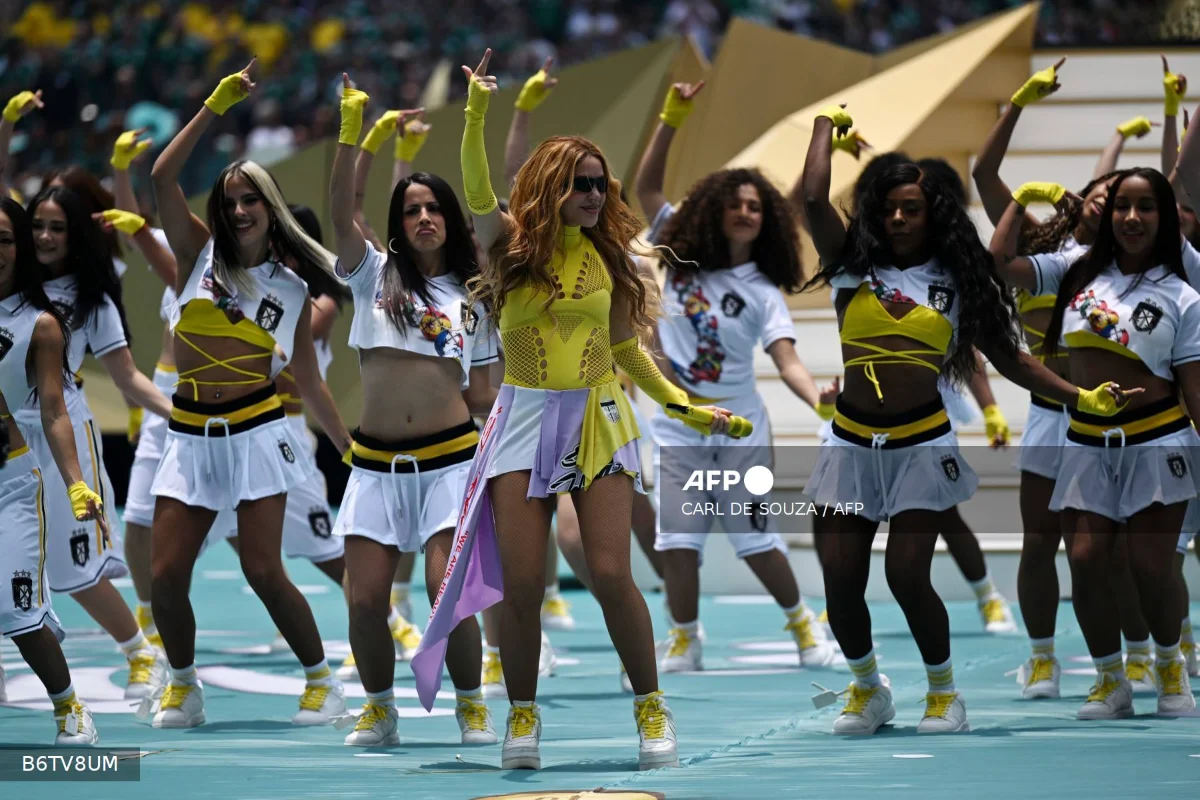
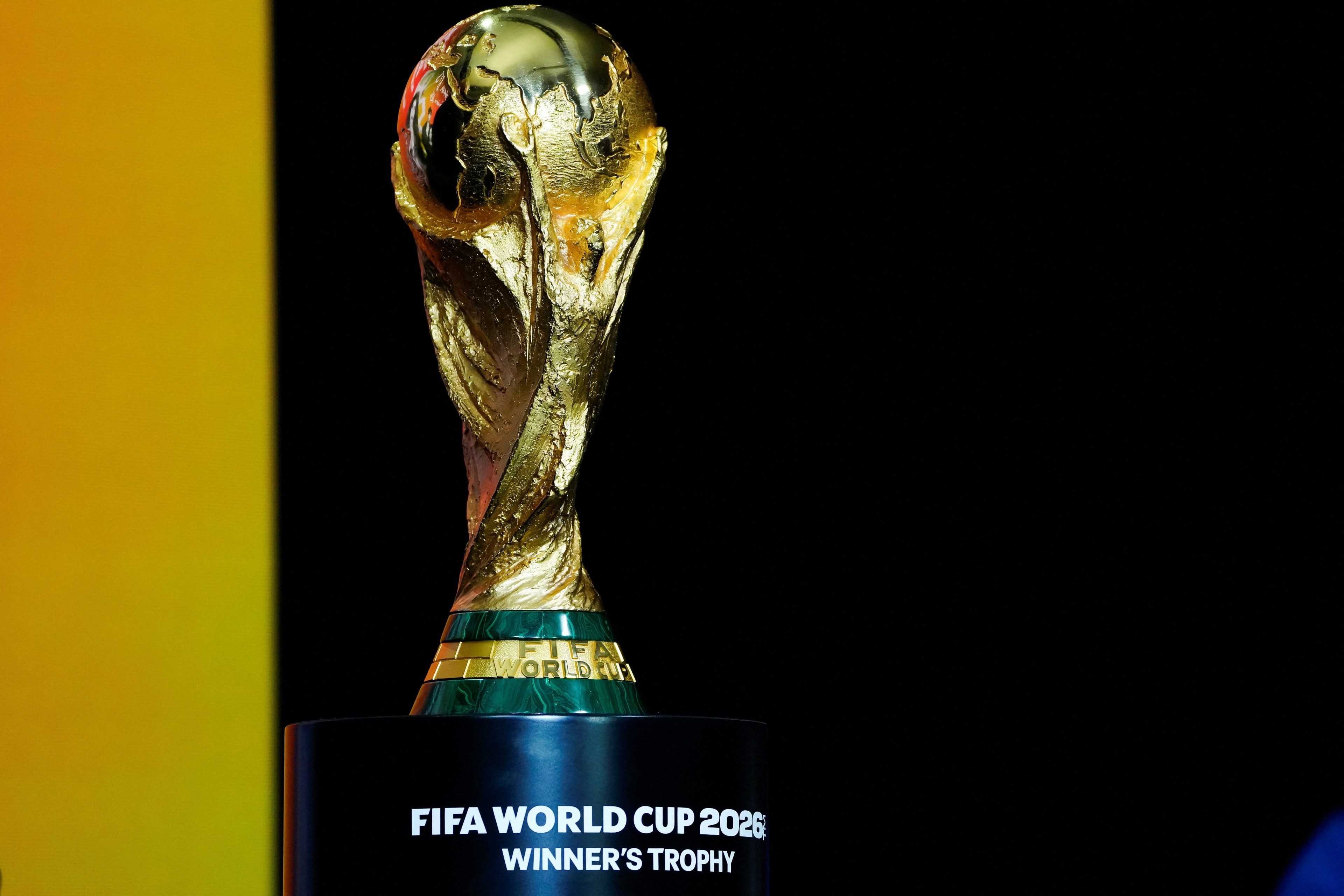
 With lyrics in English, French, Spanish, Italian and Japanese, the theme tune of the men’s World Cup, performed at its opening ceremony on June 11, exemplifies the contest’s claim to foster global unity. Nearly half the world is expected to tune in over the coming weeks as the tournament moves towards its final on the outskirts of New York. A viewer might come away with two conclusions. First, that entertainment culture is more globalised than ever. Second, that America remains the soft-power superpower at the centre of it all.
Both assumptions would be wrong. Mega-events like the World Cup still seize global attention. But the bigger picture is that entertainment is fragmenting..
READ MORE: The World Cup is an exception. Fun is more fragmented than ever | The Straits Times
…
.
 Memento Maxima Digital Marketing
In the World Cup, an Indian corner on a foreign field
.
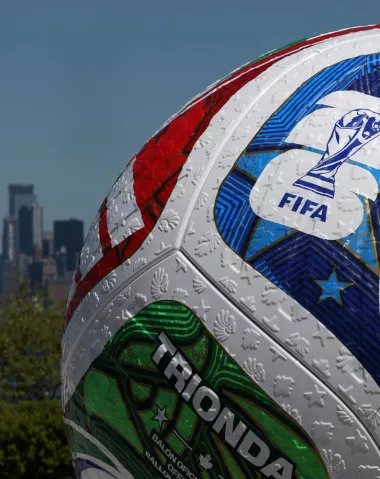 The official ball of FIFA World Cup 2026. AFP
.
.
It shouldn’t be impossible for India, a land of 1.6 billion people, to unearth at least 11 good footballers
Countries once far behind India have raced past it and are now light-years ahead. But Indian football, which FIFA bosses like to call a sleeping giant, can still wake up.
Every time a football World Cup draws close, a tale is retold, with new embellishments.
.
.
Back in 1950, India qualified for the World Cup but had to forgo the chance to take part as the players, used to playing barefoot, weren’t used to wearing boots. The story is, however, a reminder of the days when India was on the global football map. These days, the country takes vicarious pride in celebrating those of Indian heritage representing other nations on the field. Like Qatar’s Tahsin Mohammed Jamshid, whose father once aspired to play for India but could not find the ecosystem his son grew up in. He packed up his dreams and went to West Asia, like many of his generation in northern Kerala. Or New Zealand’s Sarpreet Singh, whose parents migrated from Jalandhar. Or those of scattered Indian descent, like Australia’s Nishan Velupillay and Congo’s Samuel Moutoussamy.
.
.
India is not producing high-class footballers or qualifying for global tournaments, not because of genetics or mindset, nor even a sporting culture, but because of the infrastructure — the lack of a systematically meritocratic environment, of a robust league.
In a conducive backdrop, India’s football, too, can grow. But until recently, the Indian Super League was shrouded in uncertainty; the I-League is in a shambles; the old nurseries have dried up.
.
.
Countries once far behind India have raced past it and are now light-years ahead. But Indian football, which FIFA bosses like to call a sleeping giant, can still wake up. It requires vision, planning, coaching efficiency, and rigorous execution. Just easing the passport rules will not bear long-lasting results.
Until then, however, the 1950 story will be retold as a tale of regret and a hollow boast.