
ASEAN HEADLINE-49TH ASEAN SUMMIT PHILIPPINES 2026 | MANILA: PH seeking best deals for agri, oil imports
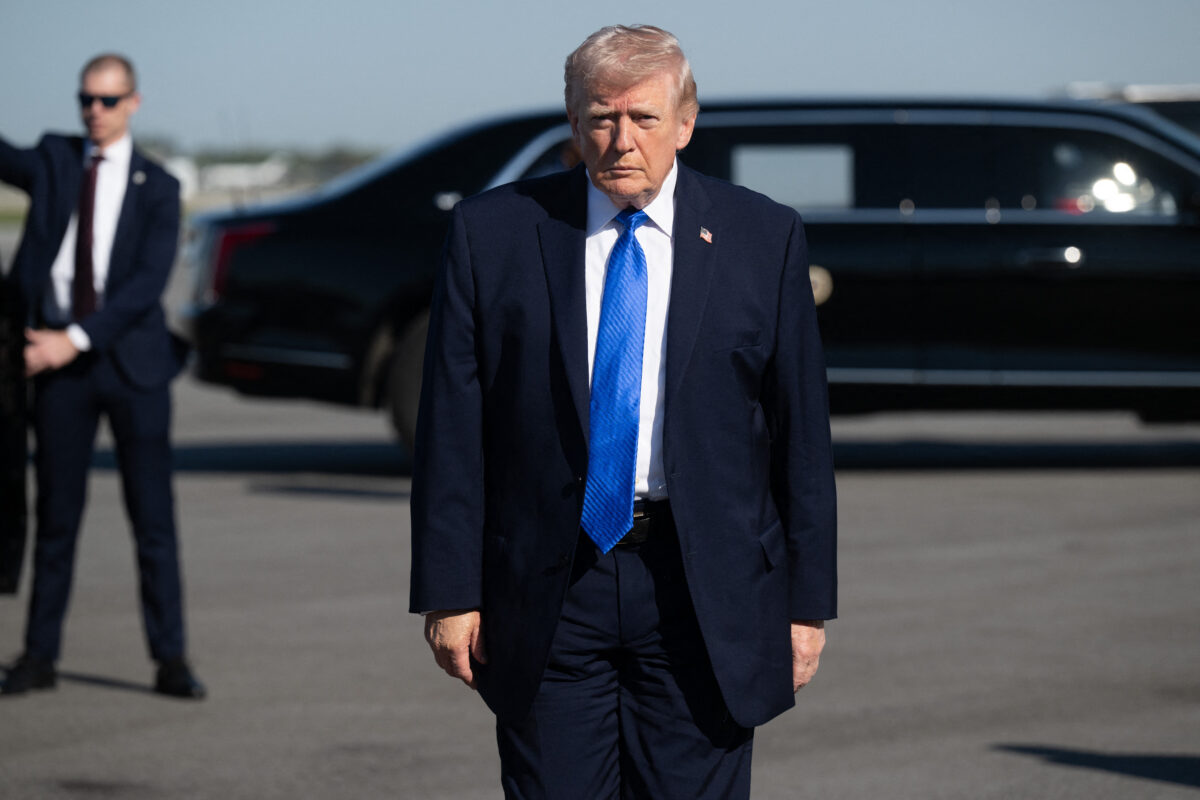
US President Donald Trump
.
.
WATCH VIDEO: https://www.youtube.com/watch?v=wZ6Ysr09gZA
Trump claims PH will import 100% of energy, farm products from US
.Top Story: US President Donald Trump claimed the Philippines agreed to source 100 percent of its energy and agricultural products from the US. With this, a House lawmaker called for transparency on the food and energy deals between the Philippines and US.
 resident Ferdinand Marcos Jr. and US President Donald Trump meet for bilateral talks on Nov. 18, 2026, at Malacañang in Manila. The meeting follows the Asean Summit, where they discussed key issues related to economic cooperation, regional security, and the long-standing alliance between the United States and the Philippines. —Niño Jesus Orbeta

MANILA, Philippines — The Philippines will continue to diversify its sources of agricultural and energy imports despite US President Donald Trump’s claim that Manila had agreed to buy these products exclusively from the United States, officials said on Monday.
Agriculture Secretary Francisco Tiu Laurel Jr. said the government would maintain multiple sources of farm commodities.
The Department of Energy said it could not compel private oil companies to source supplies solely from the United States under the country’s deregulated petroleum industry.
READ: Trump claims PH agreed to US-only import deals
 |
Tiu Laurel said the Department of Agriculture (DA) was awaiting Malacañang’s guidance but stressed that the Philippines should retain several suppliers and buy mainly from whichever could offer the best price.
“Well, President Marcos said in his press conference a few days ago that we have to have multiple sources to be food secure. I guess taking the cue from what he said, it’s better that we have multiple sources,” Tiu Laurel told reporters on the sidelines of the Asia-Pacific Conference on Sustainable Agricultural Mechanization 2026 in Parañaque City.
‘Best price’
“For me, it’s better if we have multiple sources if possible, but of course, whoever can give us the best price, we buy majority from there,” he said.
READ: House rep seeks full disclosure of US deals with PH
|
|
Tiu Laurel said there would be no issue importing commodities not produced locally, such as soybeans and wheat, while continuing to seek competitive prices.
President Ferdinand Marcos Jr. earlier said the Philippines had secured wider access to American agricultural and energy supplies, including soybeans and wheat, following discussions with Washington.
|
|
Palace press officer Claire Castro later clarified that the United States would be one of the country’s potential sources, not its exclusive supplier.
Marcos has said the country must build partnerships worldwide to ensure reliable access to essential commodities.
Trump told White House reporters on Friday (Saturday in Manila), that he had urged Marcos to stop buying agricultural products and energy from other countries, including Brazil and nations in the Middle East, and purchase these supplies only from the United States starting Jan. 1, 2027.
The United States exported $3.41 billion worth of agricultural products to the Philippines in 2025, slightly below the $3.47 billion recorded in 2024, according to US Department of Agriculture data.
Soybean meal accounted for nearly 30 percent, or $1.01 billion, of US farm exports to the Philippines. Other American imports include wheat, dairy products, poultry meat, ethanol, pork and beef and their products.
Fuel sources
Energy Secretary Sharon Garin said the Philippines was “seriously considering” the US offer to supply oil, but there was no final agreement and negotiations between the two governments were continuing.
“Our president, as he instructed, we will always be guided by what is the most beneficial, most advantageous situation for our fellow Filipinos,” Garin said at a media briefing.
“But as far as energy is concerned, the lower the price, the better. It’s something to seriously consider,” she said, noting that the United States had sufficient supplies of oil and gas.
Garin said the offer could give the Philippines another supply partner amid conflict in the oil-producing Middle East.
|
|
But she said the government could not order local fuel companies to buy exclusively from the United States because the oil deregulation law removed government control over petroleum pricing, imports and exports, allowing companies to decide where to source their products.
The government could encourage firms to consider US supplies but could not dictate purchases. Any deal would depend on whether the proposed prices would benefit Filipino consumers.
Cheaper fuel
“The president doesn’t want Filipinos to pay more expensive fuel while cheaper fuel is available,” she said.
Garin said US oil prices were “cheaper” than those offered by some neighboring countries, but higher insurance and shipping costs could erase the savings and make the delivered fuel more expensive.
Government data presented during the height of the Middle East conflict showed that as much as 98 percent of the country’s crude oil imports had come from the region, with the remaining 2 percent sourced from neighboring countries.
About 97 percent of imports of refined petroleum products, including diesel, gasoline and kerosene, came from Asian countries.
Garin said the Philippines must assess the overall cost of US supplies. She could not give a timetable for completing the agreement because the Department of Foreign Affairs and the Department of Trade and Industry were leading the negotiations.
The officials said expanded access to US commodities could benefit the Philippines, but prices and reliability would determine purchases.
|
|
The DA likewise said it was waiting for the Palace to clarify the scope of the US understanding before making any changes to its procurement plans. No binding import commitment has been announced so far. /cb /atm
.
.
 Ads by:

.