
ASEANEWS HEADLINE-ENVIRONMENT HAZE/SMOG | INDONESIA: Haze besieges Southeast Asia as Indonesia’s wildfires rage
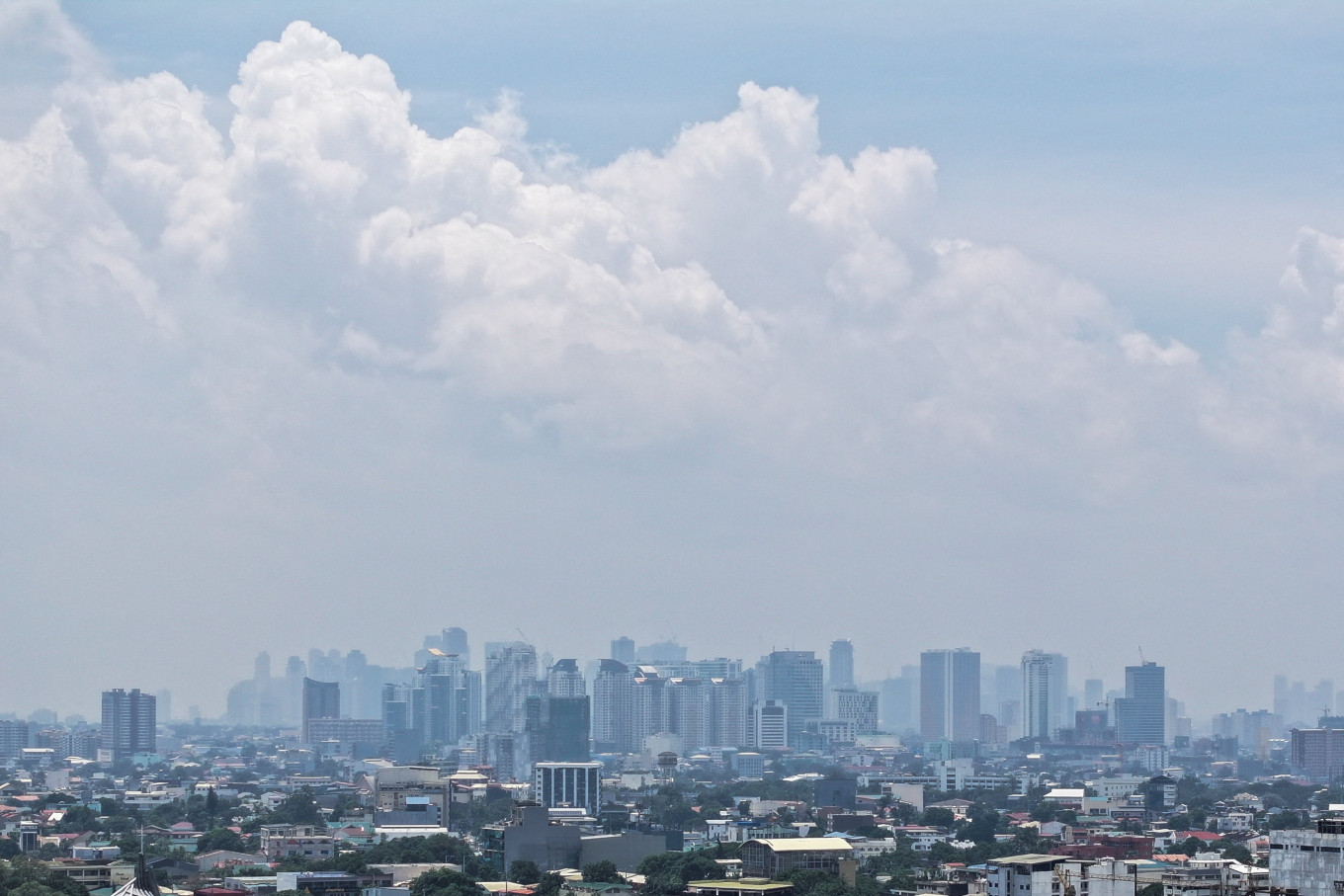
A thick haze shrouds Metro Manila in this drone picture taken in Quezon City, the Philippines on Sept. 1, 2026, due to smoke from ongoing forest and land fires in Indonesia’s Kalimantan. (Reuters/Adrian Portugal)
.
WATCH VIDEO: https://www.youtube.com/watch?v=K4No_OVHxlc
Haze is choking parts of Southeast Asia as wildfires continue to spread in Indonesia
East Malaysia blanketed in haze, as southwesterly winds carry smoke across the border from Indonesia’s Kalimantan. Over in the Philippines, very unhealthy API readings of nearly 300 were recorded in parts of Metro Manila. Indonesia is intensifying efforts to get the fires under control in Sumatra and Kalimantan. Saifulbahri Ismail reports from Pontianak, Indonesia.
.
On Wednesday morning, seven air monitoring stations across the metropolitan area of Philippine capital Manila recorded “unhealthy levels” of PM2.5 pollutant particulate, according to the country’s Environment and Natural Resources Department (DENR).
.
.
 T oxic haze from forest and land fires in Indonesia have drifted further into neighboring countries as far as the Philippines and triggered public health alerts in some major cities, as experts forecast it may also reach mainland Southeast Asian countries.
.
On Wednesday morning, seven air monitoring stations across the metropolitan area of Philippine capital Manila recorded “unhealthy levels” of PM2.5 pollutant particulate, according to the country’s Environment and Natural Resources Department (DENR).
.
“The observed haze is possibly associated with smoke and transboundary haze from ongoing fires in Kalimantan, Indonesia, which may have been transported toward the Philippines by prevailing winds,” the DENR said in a statement posted in its official Facebook account on Wednesday.
….
The administration of Quezon City, the most populous area in Metro Manila, issued on Tuesday a circular suspending all in-person classes and ordering public and private schools to turn to remote learning until further notice.
.
…
|
Memento Maxima Digital Marketing
@[email protected] SPACE RESERVE FOR ADVERTISEMENT
|
 Ads by:
..
ASIA & PACIFIC
Japan answers fire aid call as haze smothers region
…
Japan is set to deploy three helicopters to help Indonesia battle forest and peatland fires in Kalimantan at Jakarta’s request, as smoke from the blazes spread across Southeast Asia and pressure mounts on the government to accept more international assistance.
.
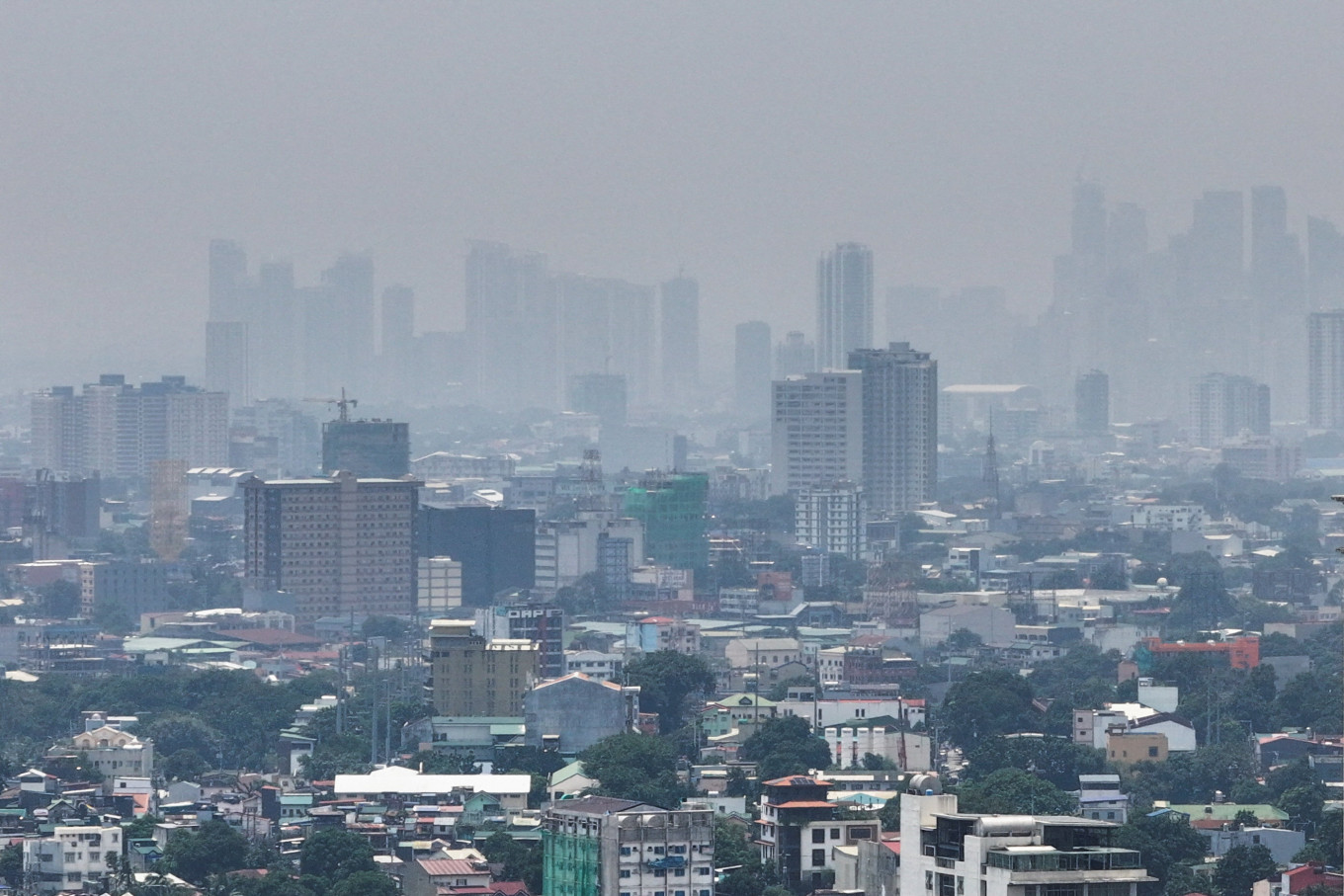
A thick haze shrouds Metro Manila due to smoke from ongoing fires in Kalimantan on Sept. 1, 2026, seen from Quezon City, Philippines. (Reuters/Adrian Portugal)
..
Air quality has also worsened in other parts of the Philippines, such as Central Luzon, Calabarzon, Mimaropa and Central Visayas.
…..
Warnings from Philippine authorities marked the latest episode of cross-border haze linked to the widespread land and forest burning in Indonesia.
…
…
|
Ads by:
 Memento Maxima Digital Marketing
@[email protected] SPACE RESERVE FOR ADVERTISEMENT
|
.
Read also: Sarawak eyes cloud seeding as haze worsens
….
Gembong Hanung
The Jakarta Post) PREMIUM
Jakarta
Thu, September 3, 2026
Malaysia’s Sarawak eyes cloud seeding as haze worsens

Sarawak, which shares a border with Indonesia’s Kalimantan province on Borneo island, has been the most affected by the haze./ PHOTO: BERNAMA
KUCHING – Malaysia’s Sarawak state is planning cloud seeding operations in early September, officials said on Aug 31, as smoke from fires in neighbouring Indonesia pushes air quality to hazardous levels.
Indonesia, a vast archipelago, has for weeks battled wildfires that have led to school closures and thousands of people requiring medical treatment, with smoke also drifting across to Malaysia and Singapore.
Sarawak, which shares a border with Indonesia’s Kalimantan province on Borneo island, has been the most affected by the haze.
|
Ads by:
Memento Maxima Digital Marketing
@[email protected] SPACE RESERVE FOR ADVERTISEMENT
|
.
Sarawak Disaster Management Committee chairman Douglas Uggah Embas said on Aug 31 that cloud seeding could be carried out between Sept 3 and 5, if weather and atmospheric conditions permit.
“Cloud seeding can be carried out only when suitable cloud formations and atmospheric conditions are present – it cannot create rain in the absence of suitable clouds,” Uggah told reporters.
Air quality deteriorated sharply across Sarawak on Aug 31, with seven locations recording hazardous Air Pollutant Index (API) readings above 300, led by Serian district at 475.
|
Ads by:
Memento Maxima Digital Marketing
@[email protected] SPACE RESERVE FOR ADVERTISEMENT
|
.
Under national guidelines, API readings above 300 are considered hazardous, while levels exceeding 500 trigger consideration of a local emergency.
Top stories
Explore top stories from all sections in one place

World
US-Iran strikes raise fears of renewed war across the Middle East

Business
Meet the humans behind ‘Wendy and Wayne’, OCBC’s wealth avatars

Asia
From ‘family gatherings’ to electoral might: Why PAS’ grip is growing in Perak

Singapore
Good friends should build you up; they make you who you are

Life
The Violinist director Ervin Han embraces NDR ‘crying guy’ meme if it helps sell movie tickets

World
New York City to ban AI in public schools through eighth grade

Asia
Philippine couple married in hip-deep floodwaters
|
Ads by:
Memento Maxima Digital Marketing
@[email protected] SPACE RESERVE FOR ADVERTISEMENT
|
.
“If an emergency is declared, it will strictly be enforced within that specific locality, not for the entire state,” Uggah said.
The cloud-seeding also aims to replenish critically depleted reservoirs and dams after a prolonged dry spell.
State satellite monitoring detected nine active hot spots in Sarawak, compared with 1,180 in Indonesia’s Kalimantan region.
Kalimantan recorded 15,587 hot spots between January and late August, including more than 13,000 in August alone.
“This issue is a diplomatic issue,” Uggah said, adding that the state authorities had urged the federal government to raise the matter with Jakarta under the ASEAN Agreement on Transboundary Haze Pollution.
The authorities have deployed firefighters to the hot spots in Sarawak and urged residents to limit outdoor activities and wear N95 masks.
The Indonesian fires take place every year during the dry season, and the fires in 2026 will be turbocharged by a powerful El Nino – a naturally occurring climate phenomenon that brings worldwide changes in winds, air pressure and rainfall patterns.
It typically causes drier conditions in Indonesia and is associated with severe fires.
Fires in 2015 were also among the deadliest on record, cloaking South-east Asia in toxic smoke for weeks and causing many people to become ill, schools to close, and flights to be cancelled. AFP
|
Ads by:
Memento Maxima Digital Marketing
@[email protected] SPACE RESERVE FOR ADVERTISEMENT
|
.
|
|